Retro Cowboy Face with Cigar. Dangerous
As an embroidery designer who spends more time than I care to admit staring at stitch charts and testing thread tension, I approach every new design file with a healthy dose of skepticism. The market is flooded with clip art that looks great on a screen but falls apart under the needle. That is exactly why I took Retro Cowboy Face with Cigar. Dangerous for a test run before recommending it for your own craft business or personal projects. This isn’t just another generic western motif; it carries a specific visual weight that demands careful consideration when translating from a digital graphic to a tangible embroidery project.
The first thing you notice about this design is its personality. It is bold, slightly rebellious, and undeniably retro. The concept of a cowboy face paired with a cigar immediately evokes a sense of rugged individualism and vintage Americana. For those of us looking to create unique custom apparel or standout handmade product lines, having a design with such strong character is invaluable. It doesn’t require a lot of explanation to the customer; the vibe is instant. However, that same boldness means there is little room for error in execution.
Visual Impact and Design Anatomy
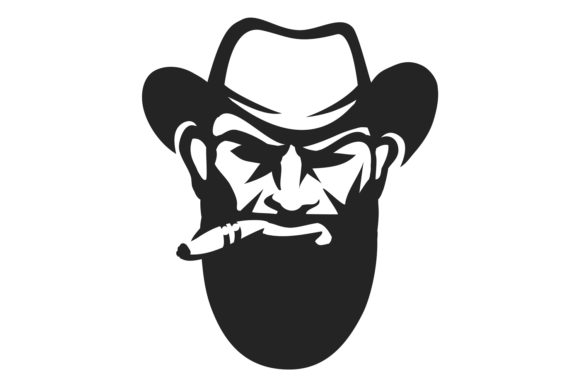
When evaluating any machine embroidery design, I look at how the shapes break down into stitches. Retro Cowboy Face with Cigar. Dangerous relies heavily on strong outlines and distinct facial features. In a static image, these elements are crisp. But in embroidery, they translate differently. The "Dangerous" aspect of the title suggests a certain edge, which works beautifully for adult-oriented merchandise like leather jackets, heavy-duty workwear, or boutique bar accessories.
The layout is generally balanced, making it versatile for placement. It sits well as a center chest logo on a sweatshirt embroidery piece or as a focal point on a canvas tote. The isolated nature of the portrait on the original graphic is a blessing for digitizers, allowing for easy resizing without worrying about cluttered backgrounds bleeding into the negative space. When I think about Etsy seller inventory, designs that offer this kind of clear focal point tend to perform better because they photograph well in printable mockups and stand out in search results.
Real-World Application: From Screen to Stitch
I recently tested this design on a thick, unbleached cotton canvas for a custom tote bag design intended for a local craft fair. The result was striking. The retro aesthetic aged the fabric nicely, giving it that curated, vintage-shop feel that customers love. Because the design is somewhat stylized rather than hyper-realistic, it holds up well even if the stitching isn't pixel-perfect. This makes it forgiving for hobbyists who might not have years of experience with stabilizer selection or hooping techniques.
However, the mood of the design dictates where it fits best. It is not a natural fit for delicate nursery decor or soft baby clothes unless the parent has a very specific, alternative taste. Instead, this design shines in categories like holiday embroidery gifts for fathers or grandfathers, personalized aprons for grill masters, or branded merch for small businesses with a rugged identity. Imagine this on a high-quality denim jacket; the contrast between the sturdy fabric and the detailed face creates a premium finished product that justifies a higher price point.
Technical Considerations for Embroidery Files
While the artistic merit is high, we must talk about the technical side. Any savvy craft business owner knows that aesthetics mean nothing if the design doesn’t stitch cleanly. With a design featuring a face and a cigar, detail management is critical. The eyes and the mouth need sufficient definition to remain recognizable. If you attempt to shrink this too small, you risk losing those key features, turning a cool portrait into a blurry blob.
This brings me to the importance of checking the hoop size requirements. While the exact dimensions should be verified in the file details, you want to ensure the design fits comfortably within standard hoops (like 4x4 or 5x7 inches) so you aren’t limited in what garments you can use it on. Furthermore, pay close attention to the stitch density. A dense fill stitch over a large area can make the fabric stiff and puckered, especially on lighter materials. If this design uses heavy fills for the shading, it may be better suited for structured items like caps or patches rather than flowy dresses or thin t-shirts.
Another crucial factor is thread color choice. The original graphic likely uses black or dark tones for the outline and shading. On a white or light background, this will pop. But if you plan to embroider this on a dark garment, you will need to decide whether to use a contrasting thread color or rely on the base fabric showing through. Testing thread colors on scrap fabric is non-negotiable. I always recommend running a black-and-white version of your mockup to check contrast levels before committing to expensive specialty threads.
Where to Use Caution
There are several scenarios where Retro Cowboy Face with Cigar. Dangerous might not be the best choice. Avoid using this on highly textured fabrics like chunky knits or bouclé, as the stitch definition will get lost. Similarly, stretchy fabrics like spandex blends require extra care with stabilizers to prevent distortion, and a complex face design could warp if the tension isn't perfectly calibrated.
Be mindful of curved surfaces like baseball caps. While possible, ensuring the face remains symmetrical on a curved brim requires advanced digitizing skills. If you are a beginner, stick to flat surfaces like aprons, pillow covers, or flat-brimmed hats. Also, consider the end-user context. Since the imagery includes a cigar and the word "Dangerous," it may not be appropriate for all retail environments or corporate clients. Always assess your target audience before adding this to your small shop product line.
Final Verdict for Makers and Sellers
Ultimately, Retro Cowboy Face with Cigar. Dangerous is a strong asset for designers looking to tap into the western, vintage, or rebellious niches. It offers high visual appeal and clear branding potential. For the Etsy seller or commercial embroidery professional, it provides a ready-made solution that feels custom and thoughtful.
To get the most out of this design:
- Test thoroughly: Always stitch a sample on the actual fabric you intend to sell.
- Check licensing: Ensure you have the right to sell finished goods made from this digital embroidery file.
- Use proper stabilizer: Match the stabilizer to the fabric weight to prevent puckering.
- Curate your offerings: Pair this design with complementary products like leather patches or rustic packaging to enhance the overall brand story.
If you execute the stitching correctly, this design will not only look good—it will feel like a statement piece. It transforms simple blanks into memorable keepsakes, making it a worthwhile addition to your library of design assets. Just remember: the magic happens in the details, so take your time, trust your instincts, and let the quality of your work speak for itself.