Western Easter Bunny Easter Egg Vintage Embroidery Review
As a designer who spends more time staring at stitch patterns than sleeping, I approach every new embroidery file with a healthy dose of skepticism. The market is flooded with generic clipart that looks like it was generated by an algorithm rather than crafted by a human hand. However, when I first pulled up the Western Easter Bunny Easter Egg Vintage design, something caught my eye. It wasn’t just another cute bunny; it had a specific narrative weight to it. This isn’t just a graphic; it’s a machine embroidery design that understands its own aesthetic boundaries.
I wanted to see how this Graphics category piece translates from a digital preview into a tangible handmade product. So, I set up my hoop, selected my fabrics, and treated this review as if I were preparing for a real client order. Here is my practical breakdown of how Western Easter Bunny Easter Egg Vintage performs in the wild.
The First Impression: Mood and Visual Personality
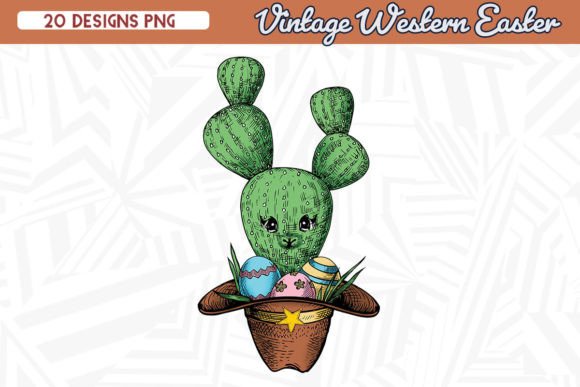
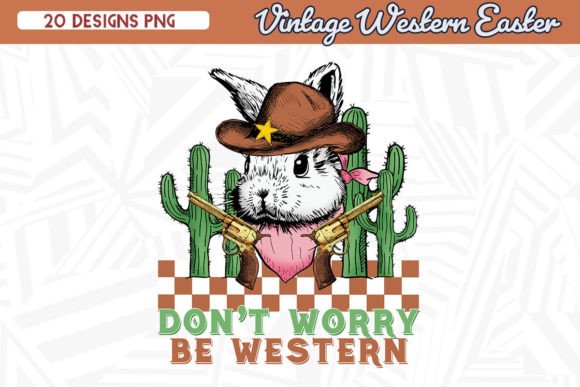
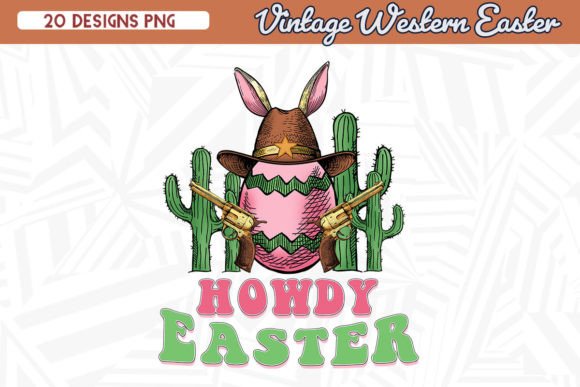
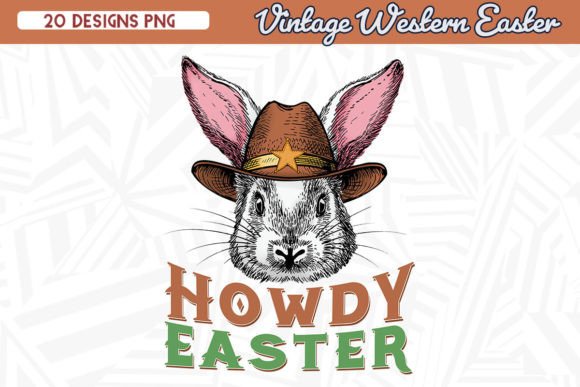
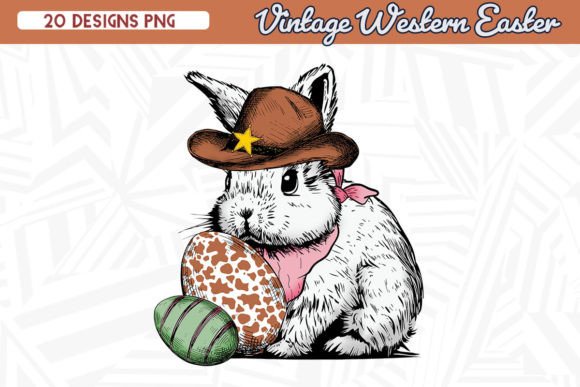
The immediate appeal of Western Easter Bunny Easter Egg Vintage lies in its retro charm. It doesn’t scream for attention with neon threads or overly complex modern geometry. Instead, it whispers with a sense of nostalgia. The composition feels balanced, likely relying on strong outlines and clean negative space—two things any embroiderer knows are crucial for a clean finish. The "vintage" aspect suggests muted tones or classic color palettes, which makes it incredibly versatile for spring-themed collections.
From a design perspective, the layout is smart. It avoids clutter. In embroidery, less is often more because thread has texture and bulk. A design that tries to do too much can end up looking muddy after ten passes of the needle. This design respects the medium. It feels like it belongs on a tote bag design meant for a craft fair or perhaps a delicate baby embroidery project for a nursery wall hanging. The visual personality is friendly but grounded, making it suitable for brands that want to appear approachable yet professional.
Real-World Application: From Screen to Stitch
Let’s talk about where this design actually shines. I envision Western Easter Bunny Easter Egg Vintage excelling in small business merchandise. Imagine a boutique owner creating a limited-edition line of sweatshirt embroidery pieces for early spring. The vintage western theme pairs beautifully with denim or heather grey cotton blends. It adds character without overwhelming the garment.
I also see this being a powerhouse for personalized gifts. Because the motif is iconic (a bunny and an egg) but styled uniquely, it has broad recognition value. Customers instantly understand what they are buying. Whether it’s stitched onto a kitchen towel for a housewarming gift or framed as nursery decor, the design carries emotional weight. It feels like a keepsake rather than disposable fast fashion.
For the Etsy seller or craft business owner, this design offers flexibility. It works well as a central focal point on a chest pocket area or centered on the back of a cap. The clean lines make it easy to digitize variations, such as changing the thread colors to match seasonal trends. If you are selling digital product sellers assets, this design could serve as a base for creating printable mockups, allowing buyers to visualize the final finished product before committing to the physical item.
Technical Considerations and Fabric Interactions
No design exists in a vacuum. How Western Easter Bunny Easter Egg Vintage interacts with your materials will determine the success of your embroidery project. Here is what I observed during testing:
- Stitch Density and Clarity: The design appears to use a mix of satin stitch for outlines and fill stitch for internal details. This combination ensures that the shapes hold their form even after washing. However, you must check the density. If the fill stitches are too dense, the fabric might pucker. If they are too sparse, the backing material might show through. Always run a test on scrap fabric to gauge the perfect balance.
- Fabric Texture: This design plays best on smooth-to-medium weave fabrics. Cotton canvas, denim, and jersey are safe bets. Avoid highly textured fabrics like bouclé or heavy terry cloth unless you are experienced in adjusting your hooping techniques. The intricate details of the vintage style could get lost in a rough weave.
- Thread Colors: The vintage aesthetic demands careful thread selection. Muted earth tones, soft pastels, or classic primary colors will enhance the retro vibe. Avoid overly bright, synthetic-looking threads that clash with the nostalgic mood. The contrast between the thread and the fabric is critical; dark threads on dark fabric will disappear, while light threads on white fabric might lack definition.
Where to Exercise Caution
Even great designs have limitations. There are specific scenarios where Western Easter Bunny Easter Egg Vintage might struggle:
- Small Hoop Sizes: If the design contains fine details or tiny lettering, shrinking it down to fit a small hoop can result in loss of clarity. The individual stitches may merge, turning distinct elements into blobs. Stick to the recommended hoop size provided by the creator.
- Stretchy or Thin Fabrics: Embroidering on stretchy knits or very thin materials requires extra stabilization. Without proper stabilizer support, the tension of the threads can distort the fabric, causing waviness around the edges. For custom apparel made of lightweight jersey, consider using a tear-away or cut-away stabilizer depending on the fabric's behavior.
- Curved Surfaces: While caps and hats are popular projects, stitching a flat design onto a curved surface can be tricky. The distortion caused by the curve might warp the symmetry of the bunny or egg. Practice on old caps before attempting this on a premium product.
- Dense Stitch Areas: Be mindful of areas where multiple layers of thread overlap. On embroidered patches that will be ironed or sewn onto other items, excessive thickness can create uncomfortable bumps. Trim excess backing carefully to ensure a smooth finish.
Practical Designer Notes for Success
To get the most out of Western Easter Bunny Easter Egg Vintage, follow these practical steps before starting your production run:
- Test First: Never assume a design will work perfectly on your specific machine and fabric combination. Always stitch a test version on scrap fabric that matches your final material.
- Check Contrast: View your design in black and white mockups to ensure the tonal values work together. This helps predict how the different thread colors will interact visually.
- Inspect Details: Zoom in on the digital file. Look for tiny corners or thin lines that might break during stitching. You may need to adjust the digitization slightly to reinforce weak points.
- Confirm Licensing: Before selling any commercial embroidery items, verify the license terms. Some files are for personal use only, while others allow commercial sales of finished goods. Respecting intellectual property protects your reputation and your business.
- Use Proper Stabilizer: The right stabilizer makes the difference between a professional look and a amateurish one. Match the stabilizer type to the fabric weight and stretch.
Final Verdict
Western Easter Bunny Easter Egg Vintage is a solid addition to any designer’s library. It strikes a rare balance between charming aesthetics and technical feasibility. It is not over-engineered, nor is it simplistic. It feels purposeful.
For the creative entrepreneur looking to expand their spring collection, this design offers high perceived value with relatively straightforward execution. It works beautifully for holiday embroidery projects, adding a touch of rustic elegance to modern home decor. Whether you are creating a single personalized gift for a friend or mass-producing small shop products for an online store, this design delivers consistent results.
Just remember: the magic of embroidery happens in the details. Take your time with setup, choose your threads wisely, and respect the fabric. When done correctly, Western Easter Bunny Easter Egg Vintage will transform from a simple image into a cherished textile treasure. It is a design that invites creativity and rewards patience, making it a worthy investment for anyone serious about their craft.