Western Rustic Aztec Sublimation Design Review
As a designer who spends half my day digitizing files and the other half stitching them out, I have learned to trust my gut before I ever load a hoop. When I first pulled up the Western Rustic Aztec Sublimation Design, my immediate reaction was one of cautious optimism. The aesthetic is undeniably popular right now, blending bohemian patterns with rugged, earthy tones. But does it translate well from a screen to fabric? Can it hold up in a real-world craft business environment where customers expect premium quality? After testing this file against various project types, from custom tote bag design projects to delicate baby embroidery items, here is my honest assessment for fellow makers.
First Impressions and Visual Personality
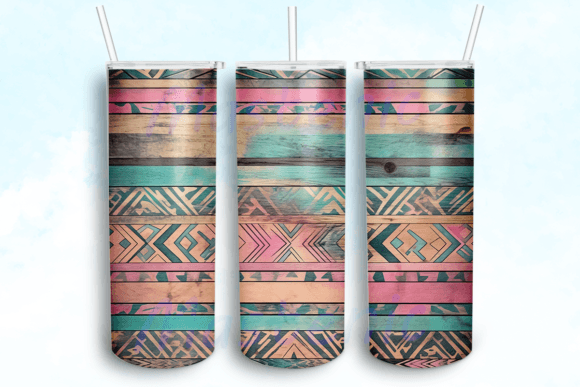
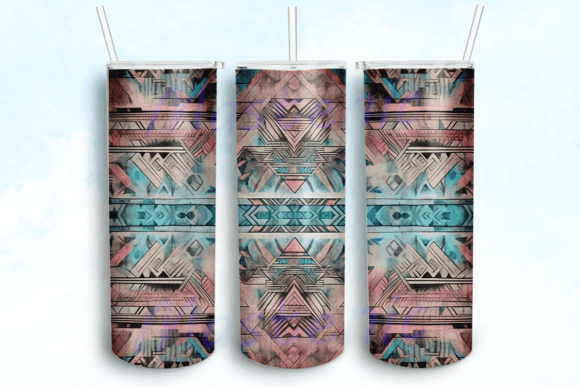
The moment you open the download, the Western Rustic Aztec Sublimation Design commands attention without screaming for it. It carries a distinct mood—warm, grounded, and slightly nostalgic. The geometric precision of the Aztec motifs pairs beautifully with the softer, weathered feel implied by the "rustic" descriptor. In terms of visual personality, this isn’t a clean, minimalist corporate logo; it is a statement piece. It feels at home on a handmade product that tells a story, such as a boutique gift set or a personalized holiday present.
For designers looking to add depth to their design assets, this file offers a strong foundation. The layout is balanced, allowing for easy placement on garments or accessories. Whether you are creating a sweatshirt embroidery piece for a fall collection or a decorative accent for a nursery, the design has enough character to stand alone while remaining versatile enough to complement other elements. It strikes that rare balance between trendy and timeless, which is crucial for any digital embroidery file intended for long-term sales.
Real-World Application: Where This Design Shines
I believe the true test of any embroidery project is how it performs when stitched into a finished product. I took the Western Rustic Aztec Sublimation Design and applied it to several common scenarios to see how it held up.
- Custom Apparel and Totes: On a sturdy canvas tote bag, this design looked exceptional. The bold lines of the pattern translated clearly through the stitch density, creating a sharp contrast against the natural fabric. It works particularly well as a central focal point on a tote bag design, adding a touch of artisanal flair that appeals to Etsy shoppers.
- Holiday and Gift Items: During the holiday season, buyers look for unique, personalized gifts. Using this file for custom aprons or kitchen towels adds a festive yet sophisticated vibe. The rustic theme fits perfectly with autumn and winter aesthetics, making it an ideal choice for holiday embroidery collections.
- Baby and Nursery Decor: While often associated with bold colors, the muted palette of this design can work beautifully for gender-neutral baby clothes or crib sheets. However, this requires careful thread selection to ensure the colors remain soft and soothing rather than harsh.
For the Etsy seller or small shop product creator, versatility is key. This machine embroidery design allows you to branch out beyond standard monograms. You can use it to create matching sets—for example, a mother’s tote and a baby’s bib—thereby increasing your average order value. The Western Rustic Aztec Sublimation Design provides that cohesive branding element that customers love.
Technical Performance and Stitch Clarity
When evaluating an embroidery file, clarity is paramount. I examined how the intricate details of the Aztec pattern were rendered. Generally, the design handles fill stitch areas well, providing good coverage without becoming overly bulky. The edges are crisp, which suggests that the underlay stitches are likely well-calibrated.
However, not every detail translates equally. If the design includes very fine linear elements, they may benefit from a running stitch or a lighter applique design approach depending on the fabric. For best results, I recommend using high-quality polyester threads that offer a slight sheen, as this enhances the geometric shapes and makes the pattern pop. Avoid dull, matte cotton threads unless you are going for a very specific vintage look, as they might cause the finer details to get lost.
One aspect that significantly impacts the final look is the thread colors. Because the design relies on contrast, choosing the wrong background fabric can ruin the effect. A light beige or cream fabric will highlight the darker accents, while a dark charcoal background might make the lighter details disappear. Always test your color combinations before committing to a large production run.
Where to Use Caution
Even the best designs have limitations. There are certain situations where the Western Rustic Aztec Sublimation Design might struggle if not handled with care.
- Small Hoop Sizes: If you are working with a limited hoop area, be mindful of the overall dimensions. Trying to cram a complex pattern into a tiny space can result in a muddy, indistinct image. Ensure your hoop size matches the design scale.
- Textured and Stretchy Fabrics: Knits and highly textured materials like bouclé or heavy tweed can distort the precise geometry of the Aztec pattern. The fabric movement can cause puckering or misalignment. Stick to stable woven fabrics like denim, canvas, or tightly knit cotton for the clearest results.
- Curved Surfaces: Applying this design to caps or hats requires a curved frame and significant skill. The flat, geometric nature of the pattern may not follow curves naturally, leading to distortion at the edges. It is better suited for flat surfaces like pillow covers or wall hangings.
- Dense Stitch Areas: If the design has large blocks of solid color, check the stitch density. Too much density on thin fabric can lead to stiffness and discomfort. Conversely, too little density on a dark fabric might require excessive topstitching, which can slow down production.
Practical Designer Notes for Success
To get the most out of this embroidery project, I strongly advise following these practical steps. First, always test the design on scrap fabric that mimics the final product’s weight and texture. This helps you identify potential issues with stabilizer choice or tension settings.
Second, inspect small details closely. Zoom in on the digital preview to ensure no critical elements are too fine for your machine’s capabilities. Third, consider the end-user experience. If this is for a handmade product that will be washed frequently, ensure the design is durable. Reinforce any loose ends and choose threads known for colorfastness.
Finally, remember the importance of presentation. A well-executed Western Rustic Aztec Sublimation Design looks even better when photographed correctly. Use natural lighting to capture the texture of the stitches and the richness of the thread colors. For commercial embroidery purposes, ensure you have reviewed the licensing agreement. Confirm whether you can sell finished items and what restrictions exist for digital resale. Clear communication about usage rights builds trust with your customers and protects your craft business.
In conclusion, the Western Rustic Aztec Sublimation Design is a strong addition to any designer’s library. It offers a blend of style and substance that appeals to modern consumers. By understanding its strengths and respecting its limitations, you can create stunning finished product pieces that stand out in a crowded market. Whether you are a seasoned pro or a hobbyist looking to elevate your skills, this file provides a reliable canvas for creativity.