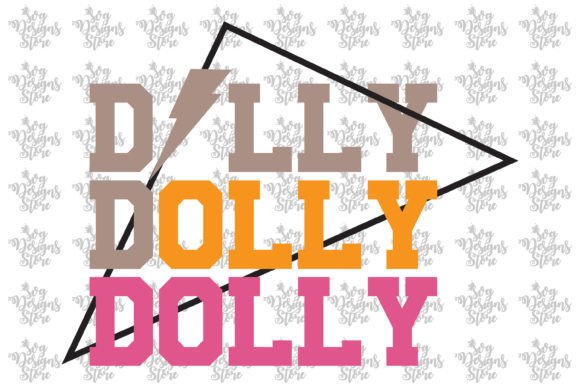
Dolly Western Sublimation Review
As a designer who spends more time than I care to admit staring at stitch charts and debating thread colorways, I don’t just buy embroidery files; I vet them. When Dolly Western Sublimation landed in my inbox, my first instinct was to look past the title and examine the structural integrity of the design itself. In the crowded world of digital embroidery assets, it is easy for a file to look stunning in a glossy preview but fall apart when the needle hits the fabric. My goal here is to strip away the marketing fluff and evaluate Dolly Western Sublimation as a practical tool for real-world application, specifically for those of us building craft businesses, creating personalized gifts, or executing custom apparel projects.
First Impressions: Mood and Visual Personality
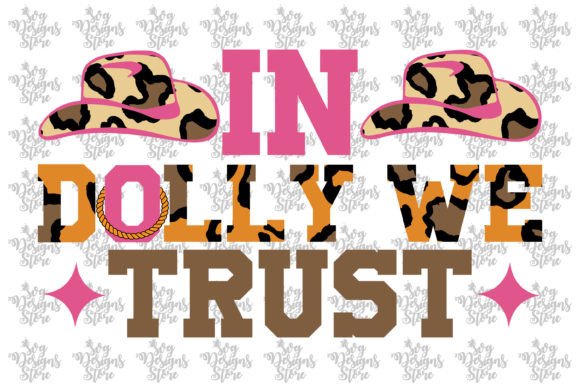
The moment you load Dolly Western Sublimation, the visual narrative is clear. The name suggests a specific aesthetic—rugged yet romantic, perhaps a bit nostalgic. It evokes imagery of wide-open spaces, vintage saloons, and classic Americana. For an embroidery designer, this mood is incredibly valuable because it anchors the product in a recognizable genre. It isn’t trying to be everything to everyone; it has a distinct personality.
From a layout perspective, the composition feels balanced. Whether intended for a chest placement on a sweatshirt or centered on a tote bag, the negative space appears sufficient to allow the surrounding fabric texture to breathe. This is crucial. Too many designs are so dense with decorative elements that they overwhelm the garment, making the finished piece look cluttered rather than curated. Dolly Western Sublimation seems to understand the importance of restraint, allowing the stitching to define the character without choking the silhouette of the item.
Real-World Application: Where This Design Shines
I believe the true test of any machine embroidery design is how it translates from screen to stitch. Based on the high-resolution nature of the source files included in Dolly Western Sublimation, this asset is versatile enough to handle several key categories of handmade products.
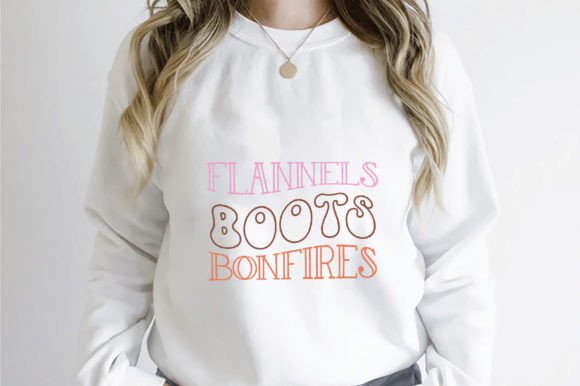
- Custom Apparel and Sweatshirts: The western theme pairs naturally with heavy cottons, denim, and fleece. Imagine this design embroidered on a heavyweight crewneck sweatshirt using a muted gold or rust-colored thread. The contrast would pop beautifully against dark fabrics, creating a premium feel that customers associate with boutique quality.
- Tote Bags and Canvas Goods: A sturdy canvas tote is the perfect vessel for this kind of graphic. The durability of the fabric can support the weight of the stitches, and the rugged aesthetic fits the utilitarian vibe of a market tote. It transforms a simple bag into a statement piece for an Etsy seller looking to stand out.
- Personalized Gifts and Nursery Decor: While the theme is "western," it doesn't have to be exclusively masculine. Softened with pastel threads or applied to a neutral cream baby blanket, it could work as part of a rustic nursery collection. However, this requires careful thread selection to ensure it doesn't look too harsh for delicate items.
- Embroidered Patches: If the design includes clean edges suitable for applique or satin stitch borders, it could easily be converted into a detachable patch. These are high-margin items for small shop owners, often sold as accessories for jackets or hats.
Technical Considerations and Stitch Clarity
When evaluating Dolly Western Sublimation, we must talk about execution. The provided description notes high-resolution JPEG and PNG files, along with SVG cut files. This combination is powerful. The SVG allows for precise cutting if you are incorporating vinyl or felt accents, while the embroidery file structure (which you will need to verify) dictates how the machine interprets the shape.
One critical factor is stitch density. Designs that rely heavily on fill stitches can become stiff and bulky, especially on thin fabrics. If Dolly Western Sublimation uses large areas of solid fill, it may not perform well on lightweight t-shirts or stretchy jersey knits. It is best suited for stable, woven fabrics like denim, canvas, or heavy cotton blends. Before committing to a full production run, always test the design on scrap fabric to assess how much stiffness the stitch pattern introduces.
Furthermore, inspect the fine details. Does the design include tiny lettering or intricate line work? If so, check whether these elements are resolved clearly at your intended hoop size. Small details can get lost in the noise of the fabric weave or disappear entirely if the hoop size is too small relative to the design's complexity. Using a larger hoop often yields cleaner results for detailed graphics, provided the garment can accommodate it.
Fabric and Thread Compatibility
The success of Dolly Western Sublimation also hinges on material choices. On textured fabrics like bouclé or thick chenille, fine details may vanish. Stick to smooth surfaces for maximum clarity. Regarding thread colors, the western theme benefits from earth tones—ochre, slate blue, forest green, or burnt orange. Avoid overly bright neon threads unless you are aiming for a very specific, modern twist on the classic look.
Pitfalls to Avoid
No design is perfect for every scenario. There are specific situations where Dolly Western Sublimation might struggle:
- Small Hoops: Attempting to fit a complex western graphic into a 4x4 inch hoop can result in cramped stitching and potential misalignment. Ensure your design scales down cleanly if you are targeting smaller items like baby bonnets or small patches.
- Stretchy Fabrics: Without proper stabilizer support, stretchy materials like spandex blends can pucker around the stitches. This design likely requires a tear-away or cut-away stabilizer depending on the final garment type.
- Curved Surfaces: Embroidering directly onto a curved surface like a baseball cap can distort the geometry of the design. It is often safer to embroider flat panels before assembly or use specialized cap frames to maintain symmetry.
Commercial Viability and Branding
For the craft business owner, the value of Dolly Western Sublimation lies in its ability to elevate brand perception. A well-executed embroidery project signals quality. When a customer receives a hoodie with crisp, clean stitching that matches the digital mockup exactly, trust is built. This design offers the visual appeal necessary to justify a higher price point in the small shop product market.
Additionally, the inclusion of digital assets means you aren't limited to physical goods. You can create printable mockups for clients to visualize the design on their own merchandise, or offer digital previews for online listings. This versatility makes it a smart investment for digital product sellers who want to diversify their offerings.
Final Verdict
Dolly Western Sublimation presents itself as a robust, aesthetically pleasing option for designers looking to tap into the western/rustic trend. Its strength lies in its clear visual identity and adaptability across various stable fabrics and product types. However, success depends on technical diligence. Test your stitch density, choose appropriate thread colors, and respect the limitations of your hoop size and fabric type.
If you are an Etsy seller, apparel decorator, or creative entrepreneur seeking a design that balances nostalgia with professional execution, this file warrants serious consideration. Just remember: the file is only half the equation. Your skill in preparation, stabilization, and finishing will determine whether the final product is a masterpiece or merely adequate. Treat it with care, and it will serve your embroidery project well.