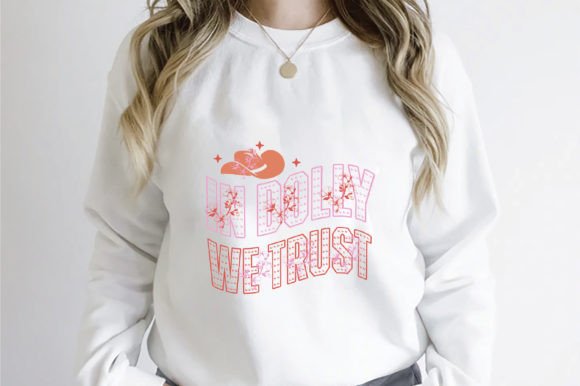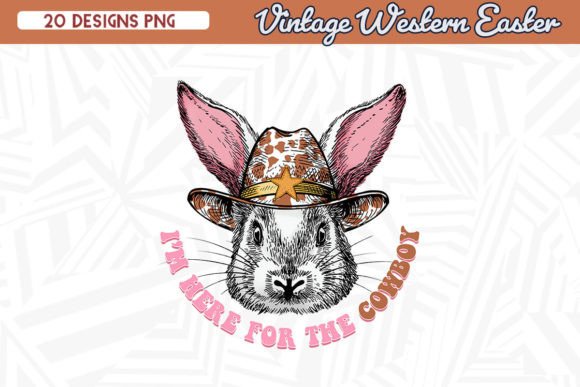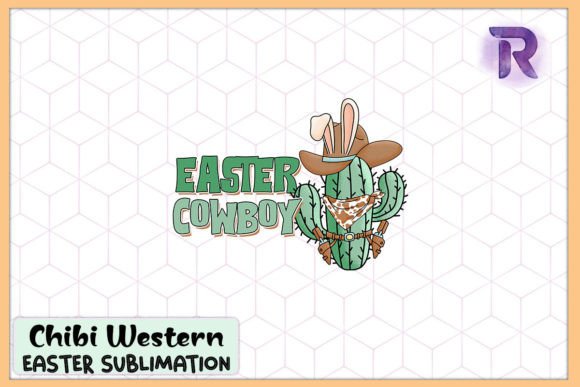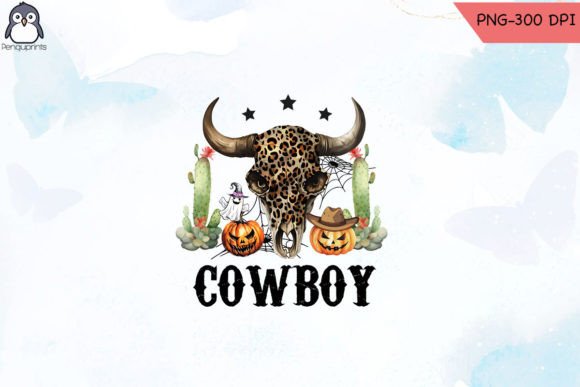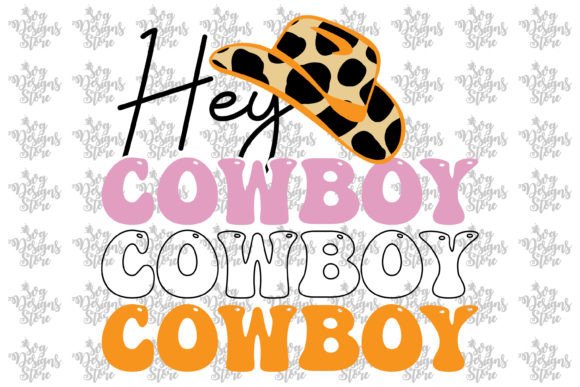
Hey Cowboy Western Sublimation Embroidery Review
As a designer who spends half my life staring at stitch lines and the other half worrying about whether a client’s custom apron will survive its first wash, I don’t just look at a design file—I look at how it behaves on fabric. When I pulled up Hey Cowboy Western Sublimation, my immediate thought wasn’t about the digital pixels; it was about the needle. Would this translate well into thread? Would it hold up in a real-world application like a boutique tote bag or a personalized sweatshirt for a craft fair?
This review is not just a description of what you get in the download folder. It is a practical evaluation of how Hey Cowboy Western Sublimation performs when moved from screen to hoop. We are looking at this through the lens of an embroidery professional, evaluating its potential for commercial use, handmade gifts, and small business merchandise.
First Impressions: Mood and Visual Personality
The moment you open the high-resolution JPEG source file, the theme hits you. This isn’t just a generic western motif; it carries a specific attitude. The layout feels rugged yet refined, which is a delicate balance in embroidery design. If the details are too intricate, they turn into a muddy mess of thread. If they are too simple, they lack character. Hey Cowboy Western Sublimation seems to strike a middle ground that appeals to the modern crafter.
The visual personality suggests it belongs naturally in the "Crafts" and "Graphics" categories but transcends them by offering versatility. It feels like a design that could anchor a brand identity for a handmade shop selling leather goods or denim accessories. The mood is approachable—perfect for a baby item or a nursery decor piece, yet bold enough for a men’s cap or a heavy-duty work apron. It doesn’t scream for attention; it invites the viewer to look closer, which is exactly what you want in a finished product that needs to stand out on an Etsy listing without shouting.
Real-World Application: Where Does This Design Shine?
In my experience, the success of an embroidery project is often determined by where it is placed. Let’s talk about how Hey Cowboy Western Sublimation might perform in specific scenarios.
- Custom Apparel and Sweatshirts: Imagine this design centered on the chest of a heavyweight cotton sweatshirt. The western theme pairs effortlessly with denim or neutral tones. For a sweatshirt embroidery project, the design likely offers enough negative space to allow the fabric texture to show through, preventing that stiff, plasticky feel that customers hate.
- Tote Bags and Canvas Items: A tote bag design requires durability. If you are using this for a canvas tote, the clean lines of the graphic should hold up well against the coarse weave of the fabric. It adds a touch of artisanal flair that elevates a plain bag into a handmade product worth paying premium prices for.
- Baby and Nursery Decor: Don’t let the rugged name fool you. Softened with pastel threads, this could work beautifully on a muslin blanket or a burp cloth. As a baby embroidery piece, it offers a unique alternative to traditional floral or animal motifs, appealing to parents who want something distinct for their little one.
- Holiday Gifts and Personalized Products: During the holiday season, uniqueness sells. A personalized gift featuring this design, perhaps embroidered on a kitchen towel or a tea towel, feels thoughtful and crafted. It bridges the gap between rustic charm and modern gifting trends.
Technical Considerations for the Stitcher
Here is where we get practical. You have the digital embroidery file, but does it stitch well? When evaluating Hey Cowboy Western Sublimation, several technical factors come into play.
Stitch Density and Clarity: High-resolution source files (like the 300 dpi PNG provided) give us a clear map, but the actual stitching depends on density. If the design relies heavily on dense fill stitches, it may pucker lightweight fabrics. Conversely, if it uses too much running stitch on stretchy material, it might distort. I always advise testing the stitch density on scrap fabric first. Look at the transitions between colors; do they blend smoothly, or is there harsh clipping? Good thread colors can hide minor imperfections, but bad placement cannot be fixed by thread choice alone.
Hoop Size Constraints: Before jumping into production, confirm the hoop size required. If the design is large, it limits where you can place it on garments like caps or sleeves. For a custom apparel run, you need to know if this fits comfortably within standard 4x4 or 5x7 hoops, or if it requires a larger frame that slows down your production speed.
Fabric Texture Compatibility: This design looks best on stable fabrics. Avoid using it on highly textured materials like boucle wool or very thin, sheer silks unless you are experienced with stabilizers. On fabric texture that is uneven, fine details in the design may get lost or cause the needle to break.
Where to Use With Caution
No design is perfect for every surface. There are specific situations where Hey Cowboy Western Sublimation might struggle:
- Small Hoop Sizes: If you try to shrink this design down to fit a tiny 2x2 hoop, you risk losing critical details. Small lettering or intricate decorative accents may become indistinguishable blobs of thread.
- Curved Surfaces: While caps are popular, embroidering a complex graphic on a curved brim or crown can lead to distortion. Ensure the design has enough flexibility or is placed on a flat patch before being applied to the hat.
- Dense Stitch Areas: If the design features large blocks of solid color, be mindful of the satin stitch edges. On dark fabric, light thread can sometimes show through if the underlay isn’t robust enough. Always check the back of the stitch-out to ensure stability.
- Stretchy Fabrics: Jersey knits and spandex blends require careful handling. Without proper stabilizer support, the tension of the thread can cause the fabric to pucker permanently.
Impact on Brand and Customer Trust
For the Etsy seller or small shop owner, the quality of the design directly impacts perceived value. A crisp, well-executed embroidered patch or apparel decoration signals professionalism. It tells the buyer that you care about the finish. When a customer receives a finished product that looks sharp and durable, they are more likely to leave a positive review and return for future purchases.
Hey Cowboy Western Sublimation contributes to brand consistency because of its strong thematic identity. It allows you to create a cohesive line of products—from pillow covers to kitchen towels—that all share the same visual language. This cohesion builds recognition. In a crowded market of design assets, having a signature style helps your craft business stand out.
Practical Designer Notes for Success
Before you start mass-producing items with this design, follow these steps to ensure quality:
- Test on Scrap Fabric: Never go straight to the final product. Run a test stitch on the exact fabric you plan to sell. Check for puckering, thread breaks, and color accuracy.
- Check Black and White Mockups: Convert the design to grayscale to see if the contrast levels work. If the design loses definition in black and white, it might struggle with certain thread combinations.
- Inspect Small Details: Zoom in on the SVG cut files and the high-res PNG. Are there any tiny elements that won’t stitch cleanly? Simplify if necessary.
- Confirm Licensing: This is crucial for commercial embroidery. Verify that you have the right to sell finished items made from this design. Do not assume that purchasing a digital file grants unlimited commercial rights. Check the terms carefully.
- Use Proper Stabilizer: Match your stabilizer to your fabric weight. Heavy stabilizer for light fabric, light stabilizer for heavy fabric. This is the secret to a clean embroidery file execution.
In conclusion, Hey Cowboy Western Sublimation is a versatile asset for any designer looking to add a touch of western flair to their portfolio. It balances aesthetic appeal with practical stitchability, making it suitable for everything from holiday embroidery projects to everyday handmade products. By approaching it with careful planning and quality control, you can create finished products that delight customers and strengthen your brand.