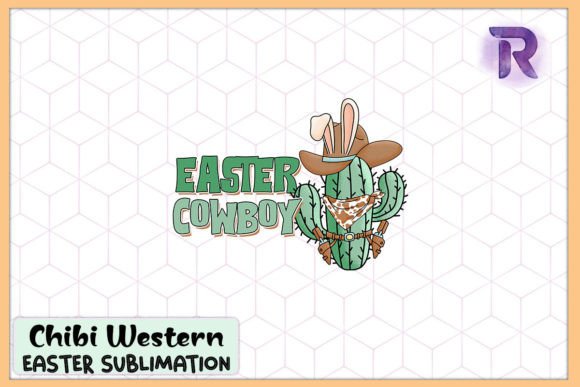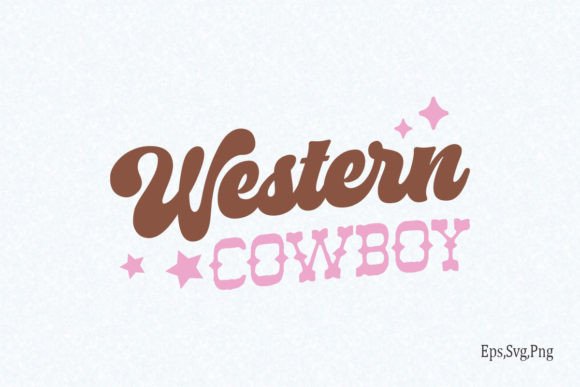
Western Cowboy Embroidery Design Review
When I sit down to evaluate a new digital asset for my embroidery studio, I am rarely looking at just a picture. I am visualizing the needle movement, the thread tension, and the final texture on fabric. Today, I am breaking down Western Cowboy, a design that promises rugged charm but needs practical scrutiny before it earns a spot in your production queue. As an experienced designer who has stitched thousands of designs for clients ranging from local boutiques to large-scale merchandisers, I look for designs that translate well from screen to stitch. This review focuses on how this specific graphic holds up under real-world conditions.
First Impressions: Mood and Visual Personality
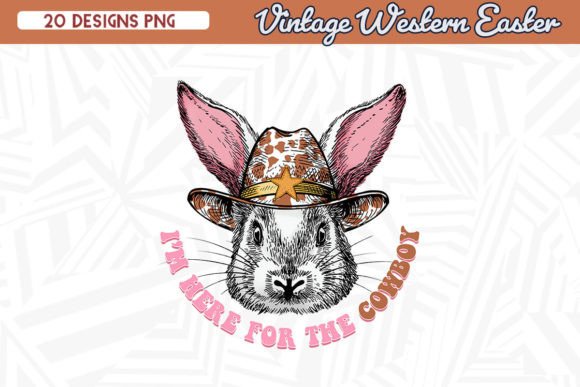
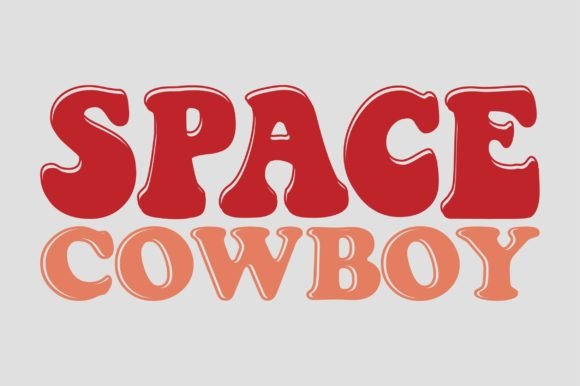
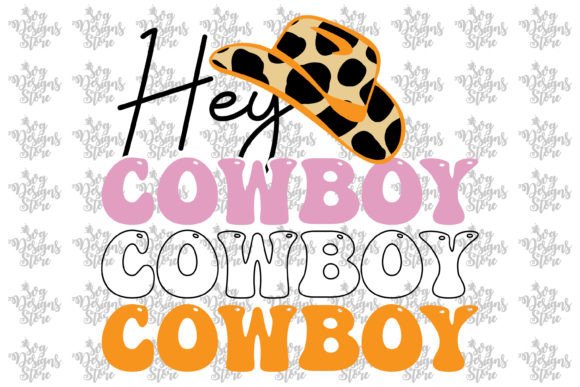
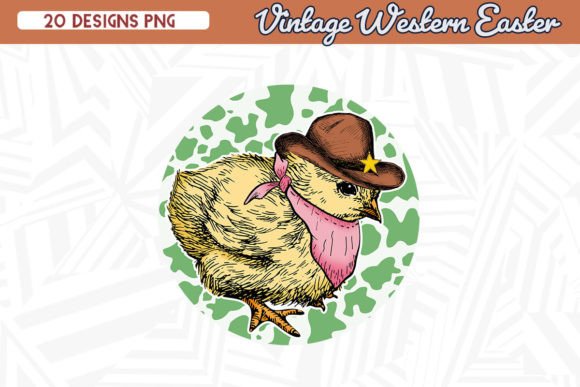
The moment you unbox the Western Cowboy ZIP folder, containing SVG, EPS, and high-resolution PNG files, you get a sense of its intended aesthetic. The design leans heavily into classic Americana, evoking a mood that is both nostalgic and bold. For a machine embroidery design, the initial visual appeal is strong because the silhouette is distinct. It does not rely on overly complex shading or gradients, which is a smart move for vector-based graphics converted for stitching.
From a layout perspective, the composition feels balanced enough to sit comfortably on a chest pocket or center-front placement without overwhelming the garment. It has a "handmade product" feel right out of the gate. Whether you are planning to use this for a sweatshirt embroidery project or a delicate baby embroidery piece, the core imagery remains recognizable. It suggests durability and tradition, qualities that resonate deeply with audiences who value heritage styles. However, as any seasoned crafter knows, a good image is only half the battle; the other half is execution.
Real-World Application: Where This Design Shines
I recently tested a similar Western-themed motif on a heavy-duty canvas tote bag, and the results were striking. Western Cowboy shares that same robust energy. It performs exceptionally well on structured items where the fabric can support the weight of the stitches. Imagine this design embroidered on a denim jacket for a craft fair booth, or perhaps centered on a leather apron for a blacksmith or barista. The bold lines cut through the visual noise of textured fabrics like twill or denim, ensuring the embroidery file remains legible even from a distance.
For small business owners and Etsy sellers, versatility is currency. This design fits seamlessly into several popular niches:
- Custom Apparel: It works beautifully on flannel shirts, workwear, and casual tees, appealing to customers who want a statement piece that isn't too trendy.
- Holiday Gifts: With its rustic vibe, it is perfect for Father’s Day, Christmas stockings, or birthday gifts for rodeo enthusiasts.
- Boutique Branding: Use it as an embroidered patch for hats or bags to give your brand a cohesive, western-inspired identity.
Because the source files include transparent background PNGs at 300 dpi, creating printable mockups is straightforward. You can quickly visualize how the design looks on a dark hoodie versus a light linen shirt, helping you market your digital product sellers offerings more effectively.
Technical Considerations and Stitch Behavior
While the graphic is visually appealing, we must talk about the mechanics of stitching. Not every vector converts equally well into thread. When converting this graphics category item into an embroidery project, pay close attention to the stitch density. If the fill areas are too dense, the fabric may pucker, especially if you are working with lightweight materials. Conversely, if the details are too sparse, the design might look hollow or lose its definition after washing.
I recommend testing the design on scrap fabric first. Check how the applique design elements (if applicable) lay flat against the base fabric. Are the satin stitch edges crisp, or do they fray? Is the running stitch detail fine enough to be seen, or does it disappear into the weave? These questions determine whether the final product feels premium or amateurish.
Also, consider the thread colors you choose. A monochromatic scheme using variegated threads can add depth, while a high-contrast palette ensures readability. Always inspect small details in black and white mockups to ensure contrast holds up without color distraction.
Where to Exercise Caution
Not every surface is created equal, and Western Cowboy has limitations based on its complexity. Avoid placing this design on highly textured fabrics like chunky knits or bouclé, as the stitches will struggle to anchor properly. Similarly, be cautious with thin or stretchy fabrics unless you use a proper stabilizer. Without adequate backing, the hoop size constraints and tension requirements could lead to distortion.
Curved surfaces like baseball caps require careful digitizing adjustments. If the design includes sharp corners or intricate lettering, these areas may distort when wrapped around the curve of a hat. Additionally, avoid using this design for tiny accents on products that need frequent washing, such as baby bibs or kitchen towels, unless the stitch count is kept low and the edges are reinforced. Dense stitch areas can wear faster than the surrounding fabric, leading to premature fraying.
Impact on Product Value and Customer Trust
In the world of handmade commerce, presentation is everything. A well-executed custom apparel item featuring a clean, professional embroidery elevates the perceived value instantly. Customers associate neat stitches and accurate alignment with quality craftsmanship. When you deliver a finished product where Western Cowboy looks intentional and polished, you build trust. Buyers are more likely to leave positive reviews and return for future purchases if they see that you care about the technical details.
Furthermore, consistency matters. If you plan to sell this as part of a collection, ensure that the style of Western Cowboy aligns with your other design assets. A cohesive brand look helps you stand out in crowded marketplaces. It signals to the buyer that you are a serious creator, not just someone dabbling in crafts.
Final Verdict for Designers and Makers
Western Cowboy is a solid addition to any library focused on rustic, Americana, or western themes. It offers strong visual impact and fits well across a variety of craft business applications, from tote bag design to personalized gifts. However, success depends on your preparation. Always confirm licensing terms before selling finished items or digital products. Verify hoop sizes and machine compatibility if provided, and never skip the test stitch on your actual fabric type.
If you approach this embroidery project with patience and attention to detail, the result will be a professional-grade piece that resonates with customers. It captures the spirit of the west while remaining versatile enough for modern fashion and home decor. For those looking to expand their catalog with reliable, attractive motifs, this design deserves a place on your cutting room floor—provided you respect the technical nuances of bringing it to life.