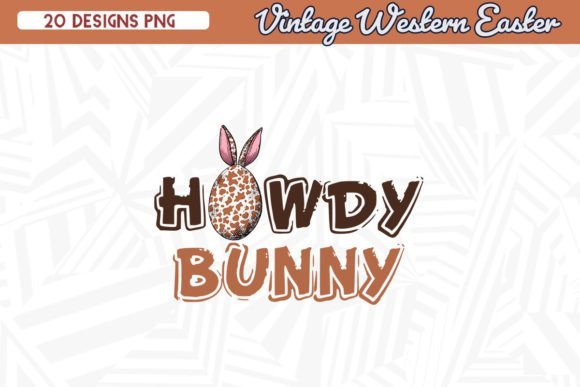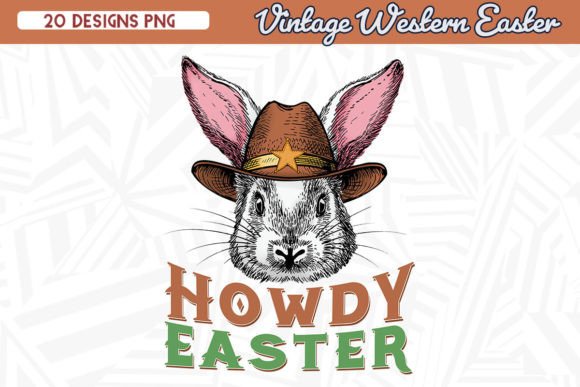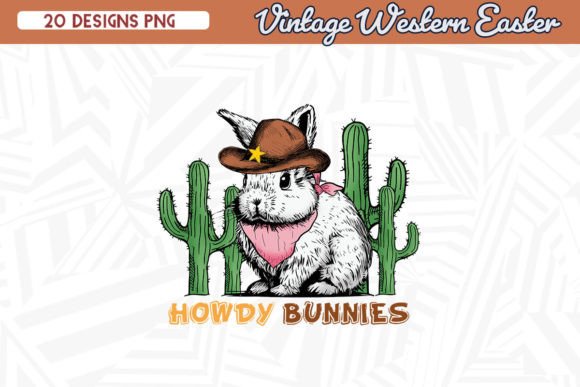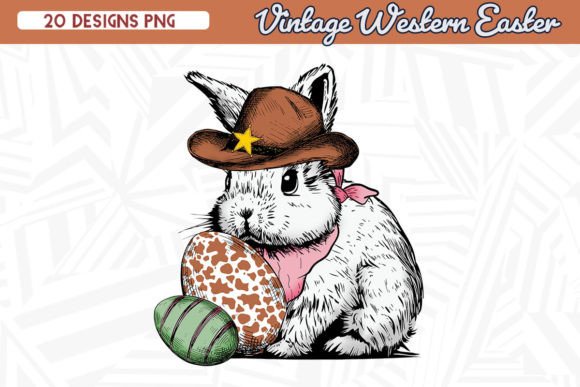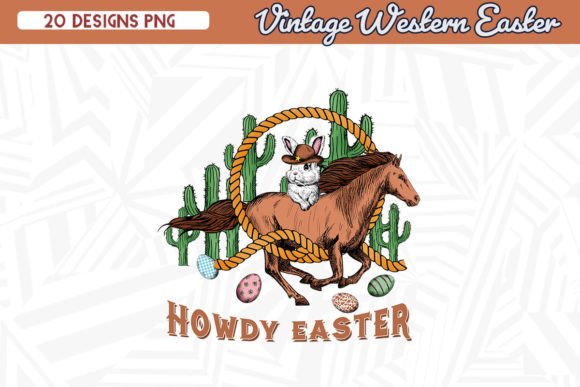
Howdy Easter Bunny on a Western Horse
As an embroidery designer who has spent years testing digital assets for both personal hobby projects and commercial small business lines, I approach every new file with a mix of skepticism and curiosity. We have all seen designs that look charming in a low-resolution preview but fall apart under the needle. Today, I am evaluating Howdy Easter Bunny on a Western Horse, a graphic categorized under Crafts and Graphics, to determine if it holds up as a viable machine embroidery design or if it is better suited for other applications.
The premise is undeniably catchy: a festive Easter theme mixed with a rugged western aesthetic. This juxtaposition creates a specific mood that is playful yet grounded. For designers looking to add personality to their craft business inventory, this kind of thematic blend often performs well because it taps into two distinct emotional triggers: the nostalgia of spring holidays and the cozy appeal of rustic Americana. But does the execution support the concept? Let’s break down how this embroidery project translates from screen to fabric.
First Impressions and Visual Personality
When you first load this embroidery file, the immediate takeaway is its strong visual identity. The composition relies on clear silhouettes, which is a critical factor for successful stitching. A common mistake in holiday-themed designs is overcrowding the frame with too many elements, leading to a muddy final result. Here, the focus remains squarely on the character interaction—the bunny and the horse—creating a balanced focal point.
The stitch density required for this type of image is likely moderate. If the design utilizes large areas of fill stitch without adequate spacing, it can become stiff and heavy, especially on delicate fabrics. However, based on the "easy and fun" nature described in the product details, it appears optimized for quick production runs. The satin stitch work around the edges of the characters needs to be clean to maintain definition, particularly if you are aiming for a professional-grade finished product.
This design naturally lends itself to a sense of whimsy. It is not trying to be overly serious or intricate; rather, it aims for broad appeal. This makes it an excellent candidate for personalized gift markets where customers want something unique but not intimidatingly complex. The western motif adds a layer of character that distinguishes it from standard pastel Easter graphics, giving your small shop product line a competitive edge.
Real-World Application Scenarios
To truly judge a design, we must imagine it in use. I recently considered using this asset for a custom order of tote bag design items targeted at local craft fairs. Picture a natural canvas tote featuring this cheerful scene centered on the front panel. The contrast between the sturdy canvas and the soft, rounded shapes of the bunny and horse would create a tactile and visual harmony. Customers at a market are drawn to items that tell a story, and this design tells a lighthearted one instantly.
Another practical application lies in custom apparel, specifically sweatshirt embroidery. As spring approaches, parents often look for unique outfits for their children. Placing this design on a heather grey or cream sweatshirt could serve as a standout piece for family matching sets. The western theme pairs well with denim jackets or flannel shirts, expanding the potential wardrobe options for the end user. Furthermore, this design works exceptionally well for baby embroidery projects, such as muslin burp cloths or hooded towels, where the gentle humor appeals to new parents looking for non-traditional holiday gear.
For those selling digital assets, this image serves as a versatile base for creating printable mockup scenarios. You can easily showcase how the design looks on various backgrounds, helping Etsy sellers visualize the potential of the digital embroidery file before a customer purchases it. It also fits seamlessly into holiday embroidery collections, allowing you to bundle it with other seasonal items to increase average order value.
Technical Considerations and Fabric Choices
While the design is promising, there are specific areas where caution is required. Not all fabrics behave equally under the hoop. When working with fabric texture like burlap or heavily woven linen, the fine details of the bunny’s features might get lost. In such cases, the stitch density might need adjustment, or the design should be scaled up slightly to ensure clarity. Similarly, stretchy knits require a reliable stabilizer to prevent puckering, which can distort the circular symmetry often found in character designs.
Dark fabrics present another challenge. If the original file relies on light thread colors for shading, you may need to add a backing layer or choose a darker thread palette to maintain visibility. Testing the design in black and white mockups is a crucial step here; if the contrast disappears in grayscale, it will likely struggle in color embroidery as well. Additionally, always inspect the smaller details, such as the reins or facial expressions, to ensure they are not so tiny that they risk tearing through after multiple washes.
For products that require frequent washing, such as kitchen towels or aprons, the durability of the stitches is paramount. Ensure that any running stitch accents are securely anchored. If the design includes decorative accents that are purely aesthetic, consider reinforcing them during digitizing to extend the lifespan of the handmade product.
Designer Notes for Optimal Results
- Test on Scrap: Always run a test stitch on the exact fabric type you plan to use. This reveals issues with tension or stability before you commit to a customer’s item.
- Check Contrast: Verify that the chosen thread colors provide sufficient contrast against the background material. Low contrast can make the design look faded or unfinished.
- Hoop Size Verification: Confirm that the hoop size accommodates the entire design without awkward trimming. A well-proportioned placement enhances the overall professionalism of the piece.
- Licensing Clarity: Before listing this as a commercial embroidery item, double-check the license terms. Understanding whether you can sell finished goods or only digital files protects your craft business from legal issues.
- Stabilizer Selection: Use the appropriate stabilizer for your fabric weight. Cut-away stabilizers are generally safer for long-term wear, while tear-away may suffice for lightweight disposables.
Final Verdict on Design Value
Ultimately, Howdy Easter Bunny on a Western Horse succeeds because it balances novelty with approachability. It avoids the trap of being too niche while still offering enough distinctiveness to stand out in a crowded marketplace. For embroidery designers looking to expand their design assets library, this file offers a solid foundation for creating high-value items.
The versatility of the design allows it to transition smoothly from a simple embroidered patch to a centerpiece on a pillow cover or a key feature on a kitchen towel. Its charm encourages buyer engagement, as customers are more likely to share photos of unique, humorous designs on social media, providing organic marketing for your brand. By paying attention to technical details like stitch quality and fabric compatibility, you can transform this graphic into a trusted staple of your small business merchandise lineup. It is a smart, fun addition for anyone ready to stitch up some spring sales.