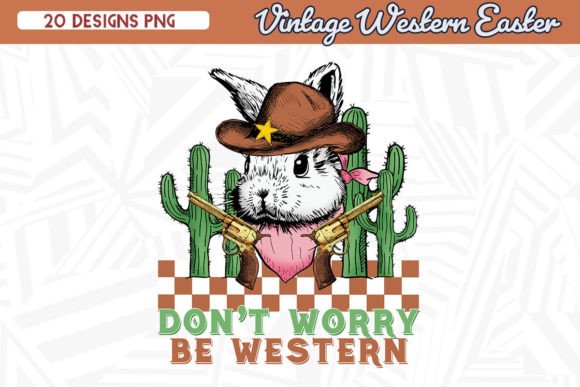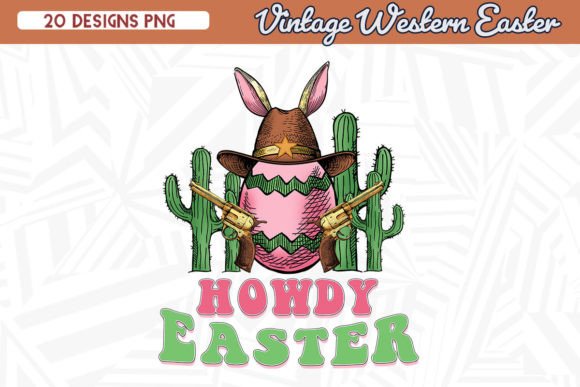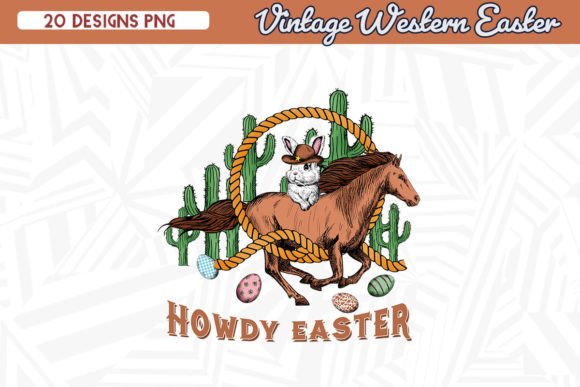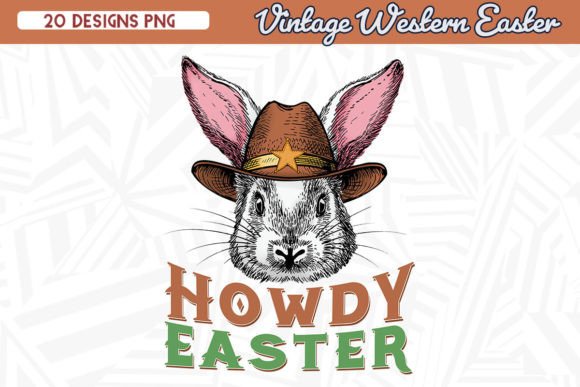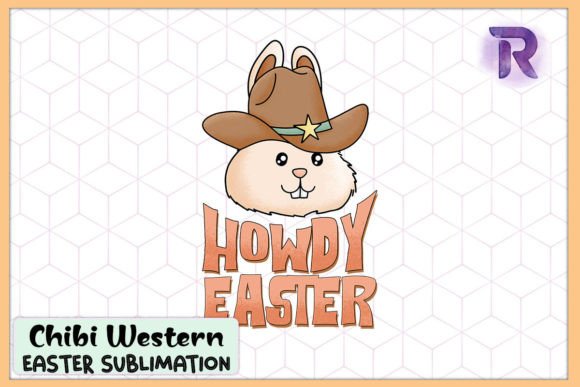
Howdy Easter Chibi Bunny Cowboy
As a designer who spends more time looking at stitch lines than actual thread, I approach every new download with a healthy dose of skepticism. The market is flooded with "cute" graphics that fall apart the moment they hit the hoop. That is why I took Howdy Easter Chibi Bunny Cowboy for a spin before recommending it to my network of craft business owners and hobbyists. This isn't just another generic holiday clipart; it is a specific visual personality that demands careful consideration if you want your finished product to look professional rather than amateur.
The immediate first impression of this design is its distinct mood. It captures the playful intersection of springtime whimsy and western charm without feeling cluttered. The chibi style—characterized by an oversized head and simplified body—works exceptionally well for embroidery because it relies on bold shapes rather than intricate, fragile details. For an embroiderer, simplicity is often the gateway to clarity. When you are translating a digital graphic into physical thread, every tiny pixel becomes a potential point of failure. With Howdy Easter Chibi Bunny Cowboy, the large, clean areas provide a stable canvas for stitching, reducing the risk of puckering or misalignment that often plagues smaller, more complex designs.
Real-World Application: From Screen to Stitch
I imagine this design finding its natural home in a few specific scenarios. First, consider the custom apparel market. A sweatshirt or a heavy cotton t-shirt provides the perfect weight to support the visual presence of this character. The western theme pairs beautifully with denim or earth-toned fabrics, creating a cohesive aesthetic that feels curated rather than random. If you are an Etsy seller or run a small shop product line, this design bridges the gap between seasonal novelty and wearable art. It works as a chest pocket placement on a cap or as a larger center-back print on a hoodie.
Another strong candidate for this design is the handmade product category, specifically personalized gifts. Think about a baby onesie or a nursery pillow cover. The chibi aesthetic is inherently soft and approachable, making it suitable for children’s items. However, the cowboy motif adds a layer of uniqueness that sets it apart from standard floral or animal patterns. For a boutique branding effort, using this design on tote bags or aprons can create a memorable unboxing experience. Customers do not just buy a bag; they buy into the personality of the design. When the embroidery holds up and looks crisp, customer trust increases, leading to better reviews and repeat business.
Technical Considerations for Embroidery Designers
While the visual appeal is high, we must address the technical reality of turning a PNG into a machine embroidery design. It is crucial to remember that this product is listed as a cutting file containing a transparent background PNG. This means you are likely working with a vector or raster image that needs to be digitized or traced into an embroidery file format compatible with your machine. Before you commit to a full production run, you must evaluate how the design translates into stitch types.
If you are converting this into an applique design, the clean lines of the chibi bunny will hold their shape well against various fabric textures. Satin stitch borders can define the edges sharply, while fill stitch can be used for the main body of the bunny. However, you need to be mindful of stitch density. Because the design features a relatively large head, filling that area densely can make the fabric stiff and uncomfortable, especially on baby clothes or lightweight tees. A lighter touch with running stitch accents might preserve the softness of the garment while still delivering the visual punch.
Thread color contrast is another critical factor. The cowboy theme often utilizes browns, tans, and creams, which can blend together if the wrong palette is chosen. Ensure that the hat brim, the bunny’s fur, and any accessories have enough tonal difference to remain distinct after stitching. Testing in black and white mockups is a quick way to verify that the design retains its readability regardless of color choices.
Where to Exercise Caution
Not every surface is a good fit for Howdy Easter Chibi Bunny Cowboy. Avoid placing this design on highly textured fabrics like bouclé or thick chenille, as the embroidery will get lost in the weave. Similarly, thin or stretchy fabrics require a robust stabilizer solution to prevent distortion. If you are attempting to embroider this on a curved surface like a baseball cap, ensure your hoop size accommodates the curvature without pulling the design out of alignment. Small hoop sizes may force you to crop the design, potentially losing the charming details that make it appealing.
Furthermore, be cautious with dark fabrics unless you plan to use a substantial underlay or white backing. Dark threads on dark backgrounds can disappear, ruining the visual impact. For commercial embroidery projects intended for frequent washing, check the durability of the stitch anchors. Designs with many directional changes can unravel over time if not programmed correctly.
Strategic Advice for Sellers and Makers
For those of you looking to integrate this into your craft business, here is some practical advice. Always test the design on scrap fabric first. This step is non-negotiable. It allows you to inspect small details, confirm the hoop size requirements, and assess how the stabilizer interacts with your chosen material. If the design looks muddy or distorted in the test run, adjust your settings before investing in expensive materials.
When marketing this item, focus on the versatility. Highlight its suitability for holiday embroidery events, spring-themed collections, or even year-round western wear. Use printable mockups to show customers how the design looks on different products, from kitchen towels to decorative pillows. This helps buyers visualize the value and encourages engagement. Remember to check licensing terms carefully. If you plan to sell finished items or digital embroidery files derived from this asset, ensure you have the appropriate commercial rights. Violating intellectual property can damage your reputation and result in legal issues.
In conclusion, Howdy Easter Chibi Bunny Cowboy is a strong contender for designers seeking a balance of cuteness and character. Its clean geometry makes it forgiving for digitization, and its thematic flexibility allows it to shine across a wide range of products. By paying attention to fabric choice, stitch density, and proper stabilization, you can transform this digital graphic into a tangible, high-quality embroidered piece that delights customers and strengthens your brand. Just remember: great embroidery is as much about preparation as it is about execution. Test thoroughly, stitch confidently, and let the design speak for itself.