Howdy Western Sublimation Review
When I scroll through digital asset libraries looking for that perfect machine embroidery design, I am usually hunting for more than just a pretty picture. I am looking for structure, stitchability, and a clear visual narrative that translates well from screen to fabric. Recently, I came across the Howdy Western Sublimation file, categorized under Crafts and Graphics, and decided to put it through its paces. This isn’t just about downloading a file; it is about understanding how a design like this will behave when your sewing machine needle starts punching through cotton twill or heavy fleece.
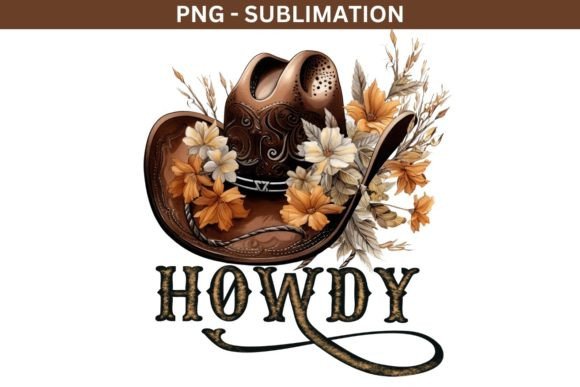
The Howdy Western Sublimation file comes as a high-resolution JPEG source at 300 dpi, alongside SVG cut files and a print-ready PNG transparent file. The dimensions are substantial at 4500×5400 pixels in RGB color mode. From a designer’s perspective, this resolution is excellent for creating sharp printable mockups, but the real question remains: how does this translate into an actual embroidery project? Let’s break down what this design offers for your craft business, your Etsy listings, or your personal handmade product line.
First Impressions and Visual Personality
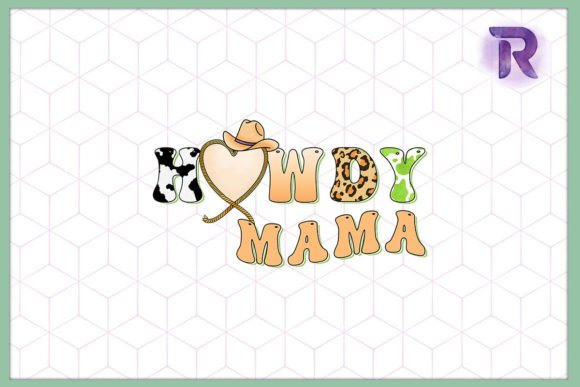
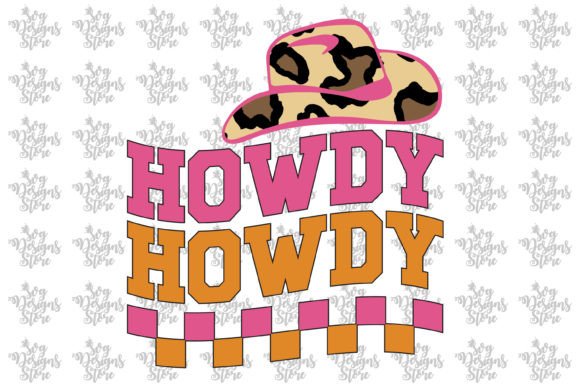
The title suggests a rugged, friendly aesthetic, likely leaning into western motifs, cowboy culture, or rustic charm. When I first opened the vector data in my digitizing software, the layout felt balanced. It doesn’t scream for attention with chaotic elements; instead, it presents a clean, confident statement. For an Etsy seller or a small shop product owner, this clarity is gold. Customers scrolling through mobile devices need designs that read instantly. A busy, cluttered design often gets lost, but a strong central theme with clear negative space performs much better.
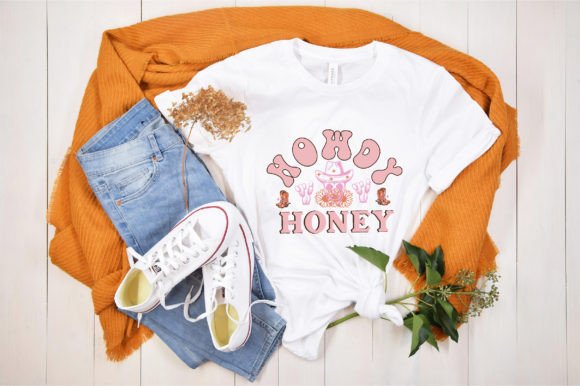
The mood of Howdy Western Sublimation evokes warmth and approachability. It feels like something you would see on a custom apron at a farmhouse kitchen or embroidered on the chest of a denim jacket. The visual personality is versatile enough to work for both adult custom apparel and cute baby embroidery items, provided the surrounding elements (like colors and fonts) are chosen wisely. It has that "handmade" feel that buyers crave, yet it retains the polish of a professional design asset.
Real-World Application: Where Does This Design Shine?
In my experience, the best embroidery files are those that fit seamlessly into existing product lines. Here is where I see Howdy Western Sublimation excelling:
- Custom Apparel and Sweatshirts: The aspect ratio and detail level make it ideal for standard chest placements on crewneck sweatshirts or heavyweight t-shirts. It holds up well against thicker fabrics where the texture of the material can complement the western theme.
- Tote Bag Designs: Canvas tote bags are a staple for craft business owners. This design works beautifully on the front panel of a natural canvas bag. The contrast between the rough canvas texture and the smooth satin stitch details of the design creates a tactile appeal that customers love.
- Holiday Embroidery and Gifts: If the design incorporates seasonal elements or fits a general "rustic holiday" vibe, it is perfect for personalized gifts. Think Christmas stockings, holiday tea towels, or winter beanies. The "Howdy" greeting adds a layer of friendliness that makes for a great personalized gift.
- Embroidered Patches: With the included SVG support files, you can easily create applique designs or patch outlines. An embroidered patch featuring this western motif could be sold as a standalone item or used to customize hats and jackets.
I also envision this working well on nursery decor items, such as crib sheets or wall hangings, where a softer, pastel thread palette can transform the western theme into something gentle and modern. It bridges the gap between rugged and refined, which expands your market reach significantly.
Technical Considerations and Stitching Strategy
As a reviewer, I must emphasize that having a high-resolution image does not automatically mean it is ready to stitch. You need to look at the underlying structure. When preparing Howdy Western Sublimation for production, pay close attention to stitch density. Western themes often involve bold lettering and thick graphic elements. If the digitizer did not optimize the fill stitch areas, you might end up with bulky, stiff patches that distort the fabric.
Here are some practical notes for testing this design:
- Check Small Details: Inspect any tiny text or intricate linework. If these details are too small, they may become muddy after stitching. Use a magnifying glass in your software to ensure every path is defined.
- Hoop Size Confirmation: Ensure the design fits comfortably within your most common hoop sizes. If the design is large, consider breaking it into sections or using a larger multi-head machine if you are producing at scale.
- Thread Color Contrast: Test the design in black and white mockups. This helps you see if the shapes separate clearly. In color, ensure your thread colors provide enough contrast against your chosen fabric. On dark fabrics, you may need a heavier underlay or lighter thread shades to maintain visibility.
- Stabilizer Selection: The choice of stabilizer is critical. For stretchy knits like sweatshirts, a cut-away stabilizer is non-negotiable to prevent puckering. For woven cottons like tote bags or aprons, a tear-away or water-soluble stabilizer might suffice depending on the design's weight.
Pitfalls to Avoid
Not every surface is suitable for every design. While Howdy Western Sublimation is robust, there are situations where you should proceed with caution:
- Small Hoop Sizes: If you are trying to cram this design into a tiny 4x4 hoop, you may lose significant detail. Respect the native size of the artwork.
- Textured Fabrics: Bouclé, heavy chenille, or highly textured weaves can hide fine running stitch details. Stick to smoother fabrics like poplin, jersey, or canvas for the clearest result.
- Curved Surfaces: Embroidering on caps or curved hat fronts requires precise hooping techniques. If the design has straight horizontal lines, they may warp visibly on a curved surface unless properly adjusted in digitizing.
- Dense Stitch Areas: Avoid placing dense fill stitches directly next to delicate satin stitches without proper spacing. This can cause the fabric to pucker or the threads to break during high-speed stitching.
Final Verdict for Designers and Sellers
Howdy Western Sublimation is a solid addition to your library of digital embroidery files. Its high-resolution source files give you the flexibility to create stunning printable mockups for your online store, while the vector data allows for potential customization. It strikes a good balance between thematic specificity and broad appeal.
For the commercial embroidery artist, this design offers a quick way to launch a new product line without starting from scratch. For the hobbyist, it provides a satisfying project that results in a professional-looking finished product. Just remember to test thoroughly on scrap fabric before committing to your final piece. Check your stitch density, verify your hoop size, and confirm your licensing terms if you plan to sell the physical items.
Ultimately, the success of your handmade product depends on execution as much as design. Howdy Western Sublimation gives you a strong foundation. With careful attention to thread selection and fabric preparation, you can turn this digital asset into a beloved personalized gift or a best-selling item in your boutique. It is a reliable, visually appealing choice that respects the craft of embroidery while delivering modern aesthetic value.