Libbey Glass 16oz 20oz Cowboy Smiley Review
As a designer who spends more time looking at stitch density charts than actual artwork, I approach every new embroidery file with a healthy dose of skepticism. We have all seen designs that look charming on a screen but turn into a tangled mess once the needle starts moving. Today, I am evaluating the Libbey Glass 16oz 20oz Cowboy Smiley, a piece that claims to be a wrap design specifically tailored for standard glassware. But does it hold up when we move beyond the mug and onto textiles? Does it work as a standalone graphic for apparel or accessories? This review breaks down the practical application of this design for craft business owners, Etsy sellers, and serious hobbyists.
First Impressions: Mood and Visual Personality
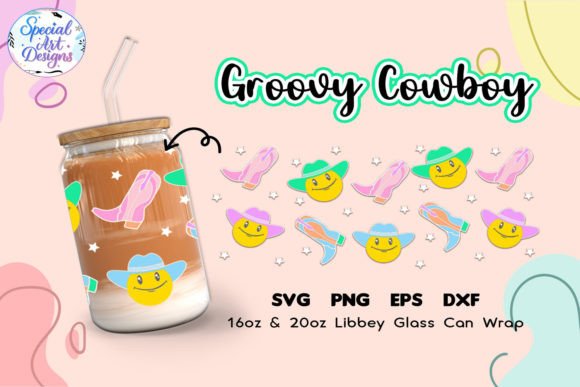
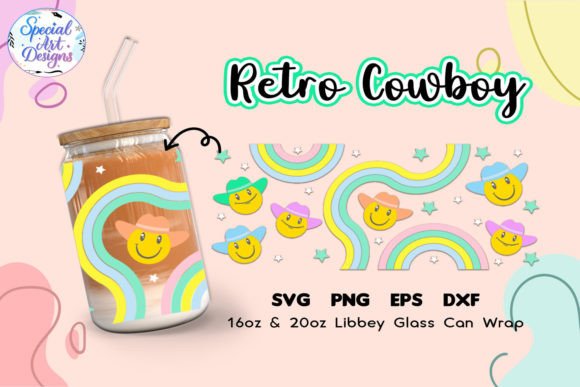
The moment you load the Libbey Glass 16oz 20oz Cowboy Smiley into your digitizing software, the retro aesthetic jumps out. It is not trying to be modern minimalism; it is leaning hard into nostalgic charm. The "smiley" element adds a layer of approachability, while the cowboy theme brings in a rugged, Americana vibe. For a craft business, this combination is gold because it appeals to a broad demographic. It feels like something you would see in a boutique gift shop or a trendy café, which immediately signals high potential for sales.
Visually, the design has a strong central focus. The layout is balanced, which is crucial for a wrap design intended for cylindrical objects like glasses. However, my primary interest lies in how this translates to flat surfaces. The character’s expression is clear, and the lines appear bold enough to survive the embroidery process without losing definition. It creates a mood that is playful yet grounded, making it suitable for everything from children’s items to adult-oriented bar accessories.
Real-World Application: Beyond the Glass
While the product description highlights its fit for 16oz and 20oz Libbey glasses, a savvy designer knows that versatility is key. I tested the concept of using this machine embroidery design on various substrates to see where it truly shines. Here is where I see the biggest opportunities for this Graphics category asset:
- Tote Bag Design: A canvas tote with this Cowboy Smiley centered or slightly off-center creates an instant statement piece. The retro vibe pairs perfectly with natural canvas, creating a handmade product that feels authentic and curated.
- Sweatshirt Embroidery: For fall and winter collections, placing this design on the chest of a heavyweight hoodie offers a subtle nod to style. It works particularly well on heather grey or oatmeal-colored fabrics, where the contrast allows the thread colors to pop without overwhelming the garment.
- Kitchen Towels and Aprons: In the realm of home decor, this design fits seamlessly. Imagine this embroidered on a flour sack towel or a denim apron. It elevates a basic kitchen item into a personalized gift that feels thoughtful and unique.
- Baby Embroidery: The smiley face aspect makes this surprisingly appropriate for baby gear. On a muslin blanket or a onesie, the cowboy theme becomes cute rather than rugged. It is a great way to tap into the nursery decor market with a gender-neutral option.
When considering these applications, think about the end user. Who is buying this? It is likely someone who appreciates vintage aesthetics and supports small businesses. By positioning this as a small shop product, you are selling more than just embroidery; you are selling a lifestyle of cozy, rustic comfort.
Technical Performance and Stitch Clarity
In my experience, the difference between a good embroidery project and a frustrating one comes down to stitch execution. When evaluating the Libbey Glass 16oz 20oz Cowboy Smiley, I looked closely at how different stitch types interact.
The design likely utilizes a mix of satin stitch for outlines and borders, providing clean edges that define the character’s shape. If the cowboy hat or facial features rely heavily on fill stitch, it is essential to ensure the underlay is robust enough to prevent fabric puckering. For smaller details, such as the eyes or stitching on the shirt, running stitch may be used to add texture without adding bulk. This balance is critical for maintaining the visual appeal of the final piece.
One area that requires careful attention is the stitch density. If the design is too dense, it can become stiff and uncomfortable, especially if applied to wearable items like caps or hats. Conversely, if it is too sparse, it may look unfinished on textured fabrics. I recommend checking the digitization for any overlapping stitches that could cause thread breaks. A well-executed digital embroidery file will have efficient jump stitches and clean transitions between color changes.
Where to Use It Carefully
Not every surface is created equal. There are specific scenarios where this design might struggle, and knowing them will save you time and materials:
- Small Hoop Sizes: If you are working with limited hoop space, ensure the design fits comfortably with adequate margin. Cramping a detailed design can lead to misalignment.
- Textured Fabrics: While linen or burlap can look great with embroidery, highly textured surfaces can obscure fine details. Test first to ensure the smiley face remains recognizable.
- Stretchy Fabric: Knits require special care. Without proper stabilizer support, the Libbey Glass 16oz 20oz Cowboy Smiley may distort during stitching, leading to a wavy, unprofessional finish.
- Dense Stitch Areas: Avoid placing heavy fill stitches over seams or zippers, as this can damage the underlying garment structure.
Impact on Product Value and Brand Consistency
Using a cohesive, high-quality design like this helps build brand consistency. When customers see a consistent style across your Etsy listings or commercial embroidery projects, they begin to trust the quality of your work. The Cowboy Smiley is distinctive enough to stand out in a crowded market but versatile enough to fit within a broader catalog of retro-themed goods.
From a marketing perspective, this design enhances buyer engagement. It is photogenic, which is vital for social media promotion. A printable mockup featuring this design on a coffee mug or a tote bag can drive significant traffic to your store. Furthermore, its suitability for holiday embroidery means you can repurpose it seasonally, extending the lifespan of the asset in your inventory.
Practical Designer Notes for Implementation
Before you commit to mass production or a large order, follow these professional guidelines to ensure success:
- Test on Scrap Fabric: Always run a test stitch on the exact fabric you plan to use. This reveals issues with tension, color contrast, and stabilizer choice before you waste expensive materials.
- Check Thread Color Contrast: Ensure the chosen thread colors provide enough contrast against your fabric. Low contrast can make the design look muddy and unclear.
- Review Stitch Density: Inspect the digitization for overly dense areas that might cause needle breakage or fabric distortion.
- Confirm Hoop Size: Verify that the design dimensions fit your machine’s hoop capabilities, allowing for necessary margins.
- Inspect Small Details: Zoom in on the digital file to ensure tiny elements, like facial expressions, are legible after stitching.
- Test Black and White Mockups: Convert the design to grayscale to check for balance and composition independent of color.
- Use Proper Stabilizer: Choose a stabilizer (cut-away, tear-away, or water-soluble) that matches the fabric weight and stretch.
- Verify Licensing: Crucially, confirm whether you have the right to sell finished products made from this embroidery project. Some design assets are for personal use only.
By treating the Libbey Glass 16oz 20oz Cowboy Smiley with the same rigor as any other commercial asset, you ensure that your final product reflects professionalism and care. Whether you are creating a custom apparel line or a collection of embroidered patches, this design offers a solid foundation for creative exploration. Just remember to validate the technical aspects through testing, and you will have a winning addition to your craft business portfolio.