Daddy s Little Cowboy Sublimation Review
As a designer who spends half my life in front of a screen and the other half threading needles, I have learned to be skeptical of digital assets that promise too much. When I first pulled up Daddy s Little Cowboy Sublimation, I didn’t just see a cute graphic; I saw a potential bestseller for the upcoming season. However, moving from a high-resolution PNG on a monitor to a stitched reality requires more than just hope. It requires judgment. This review breaks down how this specific design asset translates into physical embroidery work, focusing on practical application for craft business owners, Etsy sellers, and serious hobbyists.
First Impressions: Mood and Visual Personality
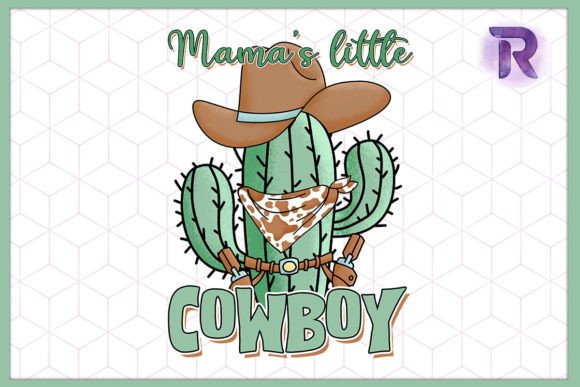
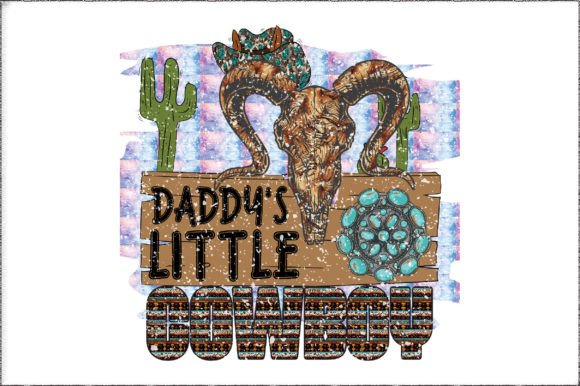
The immediate appeal of Daddy s Little Cowboy Sublimation lies in its thematic clarity. It taps directly into the enduring popularity of western wear and baby boy themes, creating a warm, nostalgic mood without feeling dated. The layout is clean, which is crucial for embroidery. In my experience, overly complex backgrounds often get lost in the stitching process or create unnecessary bulk. This design appears to prioritize the central figure, allowing the viewer’s eye to land immediately on the character.
For an embroidery project intended as a personalized gift, this visual personality works exceptionally well. It feels approachable and sweet, making it ideal for nursery decor, baby showers, or holiday gifts. The "sublimation" aspect mentioned in the title suggests a vibrant color palette that likely translates well to fabric, but as an embroiderer, I am always thinking about how those colors will look when rendered in thread. Does it have the boldness required to stand out against denim? Will it pop on a neutral cotton onesie? These are the questions that define a successful machine embroidery design.
Real-World Application: From Screen to Stitch
Let’s talk about where this design actually shines. I recently imagined using Daddy s Little Cowboy Sublimation for a custom embroidered tote bag design targeted at a boutique client. The theme fits perfectly with a rustic, handmade aesthetic. When applied to a canvas tote, the design would serve as a focal point, elevating a simple product into a memorable handmade product. Customers at craft fairs often gravitate toward items that tell a story, and this cowboy motif tells one instantly.
Similarly, consider the application for sweatshirt embroidery or custom apparel. A heavyweight hoodie is a staple in the craft business inventory. Placing this design on the chest area creates a professional, branded look. For Etsy sellers, offering this as part of a matching set—perhaps paired with a bib or a burp cloth—can increase average order value. The versatility of the theme allows it to fit seamlessly into a collection of small shop products aimed at parents who love the western trend.
Another strong use case is the embroidered patch. If you are selling patches for jean jackets or backpacks, this design has the right level of detail to hold up. It is distinct enough to be recognized from a distance but contained enough to fit within standard patch dimensions. For commercial embroidery clients looking for seasonal merchandise, this design offers a low-risk, high-reward option because the theme is evergreen.
Technical Considerations and Potential Pitfalls
While the visual appeal is high, no design is perfect for every surface. There are specific areas where Daddy s Little Cowboy Sublimation requires careful handling. First, consider the hoop size. If you attempt to stitch this on a very small hoop, such as one used for delicate baby embroidery items like booties, you must ensure the digitization (or your manual editing) accounts for the scale. A design that looks balanced at 5x7 inches may become cluttered if scaled down too far.
Fabric texture plays a massive role here. Embroidering on a highly textured fabric, like a chunky knit or a rough burlap, can obscure the finer details of the cowboy hat or boots. I recommend testing this on smooth, stable fabrics first, such as cotton twill or fleece. Additionally, avoid placing this design on stretchy fabrics without proper stabilizer support. The tension of the thread can pucker thin materials, ruining the clean lines of the satin stitch outlines.
Color contrast is another critical factor. Since this is a PNG file, you need to visualize how the thread colors will interact with your base fabric. If you choose dark fabric, ensure the design includes light-colored elements to prevent it from disappearing. Conversely, on white fabric, make sure the shadow details aren’t washed out. I always advise checking your designs in black-and-white mockups to verify that the shape remains readable regardless of color choices.
Stitch Density and Detail Management
Pay close attention to the stitch density if you are converting this graphic into an actual embroidery file. Areas that require heavy fill stitch coverage can become stiff and uncomfortable, especially on garments worn by children. Look for opportunities to use running stitch for finer details like facial features or text, which adds elegance and reduces bulk. If the design contains tiny lettering or intricate decorative accents, test these on scrap fabric to ensure the machine can resolve them accurately. Misaligned stitches in small areas can make a finished product look amateurish.
Practical Designer Notes for Implementation
To get the most out of Daddy s Little Cowboy Sublimation, follow these practical steps before committing to a large production run:
- Test on Scrap Fabric: Always run a test stitch-out on the exact type of fabric you plan to sell. This reveals issues with thread tension, stabilizer choice, and color blending.
- Check Thread Colors: Compare your chosen thread colors against the original PNG. Sometimes, screen colors differ significantly from thread sheen. Use a physical thread chart for accuracy.
- Verify Licensing: Before listing any digital product previews or selling finished items, confirm the commercial usage rights. Ensure you are allowed to sell the final embroidered goods derived from this asset.
- Use Proper Stabilizer: The stability of the final stitch depends heavily on the backing. Use tear-away stabilizer for woven fabrics and cut-away for knits to prevent distortion over time.
- Create Printable Mockups: As a design asset, this PNG is perfect for creating realistic mockups. Show customers how the design looks on different products, such as aprons, pillow covers, or tea towels, to boost buyer engagement.
Final Verdict on Value and Appeal
Ultimately, Daddy s Little Cowboy Sublimation is a strong candidate for anyone looking to expand their offerings in the graphics and crafts niche. It balances charm with commercial viability. For the creative entrepreneur, it offers a reliable way to generate sales during peak gifting seasons. The design’s adaptability means it can be used across a wide range of custom apparel and home decor items.
However, success depends on execution. The difference between a good embroidery file and a great one lies in the details: the quality of the underlay, the precision of the satin stitch edges, and the thoughtful selection of thread. By treating this design with the respect it deserves and testing it thoroughly, you can create a finished product that not only meets but exceeds customer expectations. Whether you are a seasoned pro or a beginner in the craft business, this asset provides a solid foundation for creating professional, heartfelt gifts that resonate with buyers.