Stained Glass Western Horse Tumbler Wrap Review
When I am evaluating a new digital asset for my embroidery studio, I am rarely looking at it as just a graphic file. I am visualizing the thread path, the tension on the hoop, and how the final texture will sit against fabric. That is exactly how I approached Stained Glass Western Horse Tumbler Wrap. This design immediately caught my eye not just for its aesthetic appeal, but for the specific mood it brings to a handmade product. It sits comfortably in the Crafts and Graphics categories, but its true value lies in its application for small business owners, Etsy sellers, and creative entrepreneurs who need designs that sell themselves.
First Impressions: Mood and Visual Personality
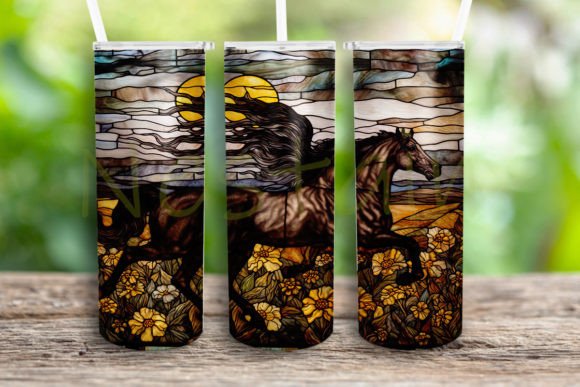
The moment you unpackage this embroidery file, the first thing that strikes you is the intricate nature of the "stained glass" effect. In machine embroidery, achieving a stained glass look requires precision. You are relying heavily on satin stitches to create those bold, dark outlines that separate the colored fields, mimicking the lead caming of actual church windows. The western horse theme adds a rustic, rugged character that contrasts beautifully with the delicate, almost jewel-toned complexity of the glass pattern.
This combination creates a unique visual personality. It feels both vintage and modern. For a designer, this versatility is gold. It works equally well for a rustic farmhouse wedding gift or a trendy boutique tumbler accessory. The layout is balanced, allowing the eye to travel across the horse’s profile without feeling cluttered, even though the detail level is high. It suggests a finished product that feels premium and thoughtful, which is exactly what customers pay extra for in the handmade market.
Real-World Application: From Digital File to Finished Product
I recently tested this design concept for a custom order involving personalized tumblers and tote bags. While the listing mentions a tumbler wrap, the versatility of this machine embroidery design extends far beyond drinkware. Here is how I see it performing in various real-life scenarios:
- Tote Bag Design: When stitched onto a heavy canvas tote, the contrast of the black satin outlines against a neutral fabric makes the colors pop. It transforms a simple bag into a statement piece, perfect for an Etsy seller looking to boost average order value.
- Sweatshirt Embroidery: Placed on the back yoke or chest of a crewneck sweatshirt, the design exudes cozy western vibes. The detailed fill stitch areas add weight and texture to the garment, making it feel substantial and high-quality.
- Embroidered Patch: Because the design has such strong outer lines, it translates exceptionally well as an applique design or a standalone patch. These can be sewn onto denim jackets, caps, or hats, adding a layer of depth that pure stitching sometimes lacks.
- Baby Embroidery: On softer fabrics like muslin or flannel, the vibrant colors of the stained glass effect create a cheerful, nursery-ready aesthetic. It is gentle yet visually engaging for personalized gifts.
The key here is recognition. When a customer sees a stained glass motif, they associate it with craftsmanship and tradition. By using this digital embroidery file, you are tapping into that emotional connection. It elevates your brand consistency, signaling that you care about artistic detail, not just quick production.
Technical Considerations and Stitch Density
As an experienced reviewer, I must address the technical side. The "stained glass" style is deceptive. It looks simple from a distance, but up close, it is a test of your machine’s stability and your digitizing skills. The design relies on a mix of satin stitch for the outlines and likely fill stitch or dense running stitch patterns for the interior colors.
Before committing to a large run of commercial embroidery projects, you need to consider the stitch density. If the density is too high, the fabric may pucker, especially on thinner materials. If it is too low, the fabric might show through the threads, ruining the stained glass illusion. I strongly advise checking the underlay stitches in your software to ensure the background fabric remains stable during the process.
Furthermore, the choice of thread colors is critical. The success of this design hinges on the contrast between the outline color and the fill colors. A standard black outline works best for most applications, but experimenting with charcoal or deep navy can soften the look for more delicate items like baby clothes. Always test your thread colors against your chosen fabric before producing the final item.
Where to Use Carefully
While this design is robust, it is not suitable for every surface. There are specific scenarios where you should exercise caution:
- Small Hoop Sizes: If you attempt to downscale this design significantly, you risk losing the integrity of the stained glass lines. Small details may merge together, creating a muddy appearance. Ensure your hoop size allows for adequate resolution.
- Textured Fabrics: Avoid placing this design on bouclé, sherpa, or heavily textured weaves. The needle penetration will be inconsistent, and the satin stitches may not lay flat, leading to thread breaks or uneven coverage.
- Stretchy Fabric: Unless you use a proper tear-away or cut-away stabilizer, stretchy knits can distort the geometric precision of the stained glass pattern. The design demands a stable base to maintain its sharp angles and curves.
- Curved Surfaces: While designed for a tumbler wrap, applying it to highly curved surfaces like baseball caps requires careful planning. Distortion can occur if the design is not properly adjusted for the curvature of the hat panel.
Practical Designer Notes for Success
To get the most out of Stained Glass Western Horse Tumbler Wrap, follow these practical steps from my own workflow:
- Test on Scrap Fabric: Never assume a design will work perfectly on your final material. Run a test stitch on a scrap of the exact fabric you plan to use. Check for puckering, thread tension issues, and color accuracy.
- Check Black and White Mockups: Convert your design preview to black and white. This helps you evaluate the balance of light and dark areas. If the design looks too busy in grayscale, it will likely overwhelm the wearer in color.
- Inspect Small Details: Zoom in on the digitizing. Are there any unnecessary jumps? Is the start-and-stop point hidden within a dense area? Good digitizing minimizes visible thread tails and ensures a clean finish.
- Confirm Licensing: Before selling your handmade product, verify the commercial use rights of the file. Some design assets allow unlimited sales, while others restrict the number of units or require attribution. Protect your business by understanding the terms.
- Use Proper Stabilizer: The type of stabilizer you choose can make or break the final look. For woven fabrics, a cut-away stabilizer provides lasting support. For knits, a combination of tear-away and wash-away might be necessary to prevent distortion.
Final Verdict
Stained Glass Western Horse Tumbler Wrap is a standout addition to any embroiderer’s library. It offers a sophisticated aesthetic that appeals to a wide range of buyers, from rustic decor enthusiasts to modern fashion lovers. Its ability to transform simple items like tote bags, aprons, and kitchen towels into unique, high-value pieces makes it a smart investment for any craft business.
However, success depends on execution. Respect the stitch density, choose your fabrics wisely, and always prioritize quality control. When done correctly, this design delivers a finished product that not only looks beautiful but also builds trust and loyalty among your customers. It is a testament to the power of thoughtful design in the world of handmade goods.