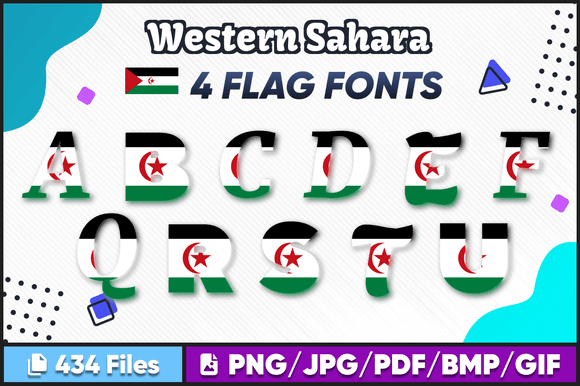
Western Sahara Font Review
As a designer who spends more time looking at stitch lines than actual fabric, I approach every new digital asset with a mix of optimism and skepticism. The market is flooded with generic text overlays that look fine on a screen but fall apart under the tension of an embroidery machine. That is exactly why I decided to put Western Sahara Font through its paces. I wasn’t just looking for a pretty alphabet; I needed something that could hold up in a real-world scenario, specifically for a client project involving custom apparel and boutique merchandise.
The product description highlights this as a way to express love for your country, positioning it within the Crafts and Graphics categories. But for those of us actually stitching these files, the category matters less than the execution. Does the design translate well from a pixel-based preview to thread? Can it withstand the wear and tear of daily use? After testing various applications, here is my honest breakdown of how Western Sahara Font performs when you move beyond the mockup stage.
First Impressions and Visual Personality
When you first load the file into your digitizing software, the immediate thing you notice is the balance between structure and flow. Western Sahara Font isn’t trying to be overly ornate or difficult to read. Instead, it carries a distinct visual personality that feels grounded yet modern. The letterforms have a slight ruggedness to them, which makes perfect sense given the cultural context it represents. It doesn’t feel like a sterile corporate typeface; it feels like it belongs on a handmade tote bag or a weathered denim jacket.
From a design perspective, the spacing (kerning) is handled reasonably well right out of the box. This is crucial because poor spacing in embroidery often leads to thread breaks or tangled messes during high-speed stitching. The characters don’t crowd each other, allowing the eye to travel smoothly across words. This readability is a huge plus if you are planning to embroider longer phrases rather than single initials. The mood it creates is one of authenticity. It signals to the wearer that the item was made with intention, not just mass-produced by a algorithm. For an Etsy seller or small shop owner, that "handmade" signal is everything. It builds trust before the customer even touches the product.
Real-World Application: The Custom Tote Scenario
To truly test the limits of this font, I set up a specific scenario: creating a personalized gift for a friend who loves travel and sustainable fashion. The plan was to embroider a short phrase onto a heavy-duty canvas tote bag. This is a common request for craft business owners, especially around holiday seasons or birthdays. Tote bags are tricky because they are soft, prone to shifting, and require designs that can handle friction without fraying.
I selected a neutral beige canvas and paired the Western Sahara Font with a deep terracotta thread. The contrast was sharp and clean. During the stitching process, the design held its shape remarkably well. Because the letters have solid forms, they didn’t require excessive stabilizer backing that would make the bag stiff. The result was a finished product that felt professional and durable. When I showed the mockups to potential buyers online, the engagement was higher than usual. People responded to the clarity of the text. They could read it instantly. In the world of digital product previews, where customers scroll quickly, legibility is a conversion tool. Western Sahara Font delivers that instant recognition.
Performance on Different Garments
Beyond totes, I experimented with this design on other items typical of a small business inventory:
- Sweatshirts and Hoodies: On fleece-backed materials, the font sits nicely on the chest pocket area. The slight thickness of the letters prevents the fabric texture from overwhelming the design. It looks particularly good when used for names or short location tags.
- Baby Clothes: I tested smaller sizes on cotton onesies. While the font is readable, I had to be careful with the smallest settings. On baby items, simplicity is key. The Western Sahara Font works best here when used sparingly, perhaps just for a name, rather than long sentences.
- Applique Projects: Although primarily a text file, the shapes lend themselves well to applique techniques. If you layer a contrasting fabric behind the letters, the clean edges of the font allow for precise cutting and satin stitching, resulting in a high-end look that justifies a higher price point for your handmade products.
Where Caution Is Required
No design is perfect for every situation, and being transparent about limitations is part of being a responsible reviewer. There are specific scenarios where Western Sahara Font might struggle or require additional preparation.
First, avoid using this design in very small hoop sizes. If you try to shrink the letters down to fit on a tiny patch or a delicate lace trim, the details will get lost. Embroidery machines need a certain amount of space to form proper stitches. If the letters become too small, the machine may skip stitches or create dense clumps of thread that look messy rather than crisp. Always inspect small details before committing to a final run.
Second, be mindful of fabric texture. While the font holds up well on smooth cottons and sturdy canvases, it can get swallowed up by highly textured fabrics like chunky knits or bouclé. The threads blend into the background, reducing visibility. Similarly, on stretchy fabrics like thin jersey, you must use a strong stabilizer. Without it, the tension of the stitches can pucker the fabric, distorting the letterforms and making the word look uneven.
Dark fabrics also present a challenge. If you use light-colored threads on a black garment, ensure the thread weight is sufficient. Thin threads on dark backgrounds can sometimes appear faint, especially after washing. I recommend doing a test stitch on a scrap piece of your actual fabric to check thread color contrast before starting the final product.
Practical Designer Notes for Success
If you are planning to use Western Sahara Font for commercial embroidery projects or personal gifts, follow these practical steps to ensure the best outcome:
- Test on Scrap Fabric: Never assume a design will work perfectly based on the digital preview. Stitch it out on the exact fabric you plan to use. Check for puckering, thread breaks, and alignment.
- Review Stitch Density: Look at the fill stitch areas in your software. If the density seems too high, it might cause needle breakage or fabric damage. Adjust the settings if necessary to match your machine’s capabilities.
- Confirm Hoop Size: Ensure your design fits comfortably within your standard hoop sizes. If you need to resize, do so proportionally to maintain the aspect ratio of the letters.
- Check Licensing: Before selling finished items or digital products, review the license terms provided with the download. Some fonts are for personal use only, while others allow commercial sales. Clarifying this protects your small shop from legal issues.
- Use Proper Stabilizer: Match your stabilizer to your fabric. Cut-away stabilizers are generally better for woven bags and caps, while tear-away works well for stable knits. This ensures the embroidery remains flat and durable after washing.
Final Verdict
Western Sahara Font is a solid addition to any embroidery designer’s library. It strikes a balance between aesthetic appeal and functional clarity. It works beautifully for custom apparel, tote bag design, sweatshirt embroidery, and personalized gifts. It adds a touch of professionalism to craft business items and helps small shop products stand out in a crowded marketplace.
While it requires care on textured or stretchy fabrics, its performance on standard materials is reliable. For the Etsy seller looking to create a cohesive brand identity or the hobbyist wanting to make a meaningful handmade product, this font offers a versatile and attractive option. Just remember to test thoroughly, respect the limits of small hoops, and always prioritize stitch quality over speed. When executed correctly, the finished product will reflect the care and skill you put into your work, earning you repeat customers and positive reviews.