Turquoise Cowboy Hat Sublimation Design Review
As a designer who spends half the day staring at stitch density charts and the other half worrying about thread tension, I don’t just look at an embroidery file; I look at its potential in the real world. When Turquoise Cowboy Hat Sublimation Design landed on my desk, my first thought wasn’t about the pixels—it was about the product. Would this translate well from a screen to a hoop? Could it hold up as a centerpiece for a small business line, or would it get lost in the noise of generic craft fair merchandise?
This review breaks down how Turquoise Cowboy Hat Sublimation Design performs when moved from a digital asset into a tangible, stitched reality. We are looking at this through the lens of practical application, focusing on custom apparel, personalized gifts, and commercial embroidery projects where every detail counts.
First Impressions: Mood and Visual Personality
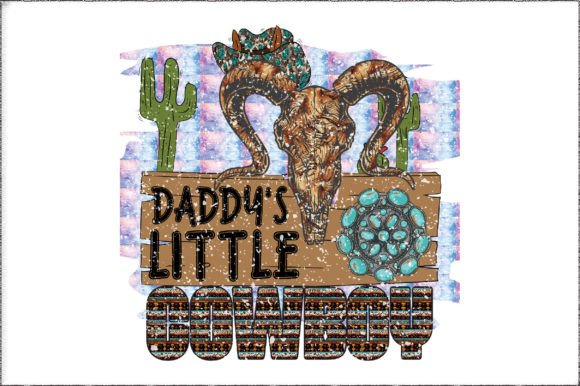
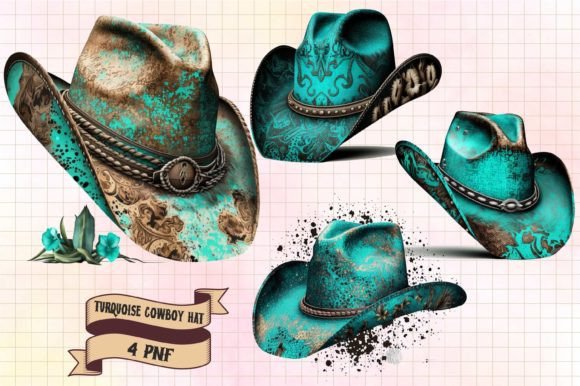
The immediate visual impact of Turquoise Cowboy Hat Sublimation Design is rooted in a specific aesthetic: rustic yet polished. The choice of turquoise is deliberate. It avoids the muddy tones that can plague low-resolution graphics and instead offers a crisp, vibrant pop against neutral backgrounds. This isn’t just a cowboy hat; it’s a statement piece that evokes Western charm without feeling cliché.
From a design perspective, the layout feels balanced. It has enough negative space to breathe, which is critical for embroidery. Unlike overly intricate vector art that turns into a tangled mess of thread when digitized, this design seems to prioritize shape and silhouette over minute detail. For an embroidery project, this is a huge advantage. It suggests a clean finish that looks professional even on less-than-perfect fabric.
The theme naturally lends itself to handmade products that tell a story. Whether it’s a boutique branding element for a western-themed shop or a unique touch on a holiday gift, the design carries a personality that customers respond to. It feels approachable but distinct, a combination that drives engagement on platforms like Etsy or at local craft fairs.
Real-World Application: Where Does This Fit?
I often test designs by imagining them on specific items. Here is how Turquoise Cowboy Hat Sublimation Design translates across various mediums:
- Custom Apparel & Sweatshirts: On a heather grey or cream sweatshirt, the turquoise stands out beautifully. It works as a chest logo for a subtle brand presence or centered on the back for a bolder look. The contrast ensures readability from a distance, which is key for event wear or team uniforms.
- Tote Bag Design: Canvas totes are a staple for the Etsy seller market. This design adds a focal point that elevates a plain bag into a fashion accessory. It pairs well with simple typography for quotes, creating a complete graphic package.
- Baby Embroidery & Nursery Decor: While "cowboy" might sound rugged, the soft turquoise tone makes it surprisingly suitable for nursery decor or baby onesies. It fits the "modern rustic" trend perfectly, offering a gender-neutral option for parents who love outdoor themes.
- Embroidered Patch & Caps: The clear shapes make it ideal for an embroidered patch. Whether applied to a denim jacket or a trucker hat, the defined edges help maintain the integrity of the image. However, curved surfaces like caps require careful testing to ensure the design doesn’t distort.
- Kitchen & Home Goods: Tea towels and pillow covers are excellent candidates. The design adds a touch of whimsy to kitchen textiles, making it a great gift item. It brings warmth to a farmhouse-style kitchen without overwhelming the space.
Technical Considerations for the Stitcher
Even the best-looking design can fail if the technical execution is overlooked. When preparing to use Turquoise Cowboy Hat Sublimation Design, several factors come into play regarding stitch density, fabric texture, and stabilizer choice.
Stitch Density and Clarity: The success of any machine embroidery design relies heavily on how well the stitches lay flat. If the fill stitch areas are too dense, the fabric may pucker. Conversely, if they are too sparse, the underlying material might show through, ruining the color vibrancy. I recommend checking the digitization quality closely, particularly around the brim and crown of the hat, to ensure smooth transitions between colors.
Fabric Texture and Contrast: Textured fabrics like heavy canvas or bouclé wool can obscure fine details. For these materials, it is crucial to have high contrast between the thread colors and the base fabric. The turquoise works best on lighter backgrounds; using it on dark fabric requires a substantial underlay or a contrasting border to prevent the color from getting swallowed by the darkness.
Hoop Size and Stabilizer: Always confirm the recommended hoop size before starting. A design that looks perfect in a 5x7 hoop might need repositioning or resizing for larger formats. Using the correct stabilizer is non-negotiable—cut-away stabilizers are generally safer for stretchy fabrics or garments that will undergo frequent washing, ensuring the design remains intact over time.
Where Caution Is Required
There are scenarios where Turquoise Cowboy Hat Sublimation Design might not be the best fit:
- Small Hoop Sizes: If the design contains very fine details or tiny lettering, shrinking it down to fit a mini-hoop may result in a blurry, indistinct image. Test at the smallest intended size first.
- Thin or Stretchy Fabrics: Delicate materials like silk or thin jersey can shift during stitching, leading to misalignment. These require extra care and possibly water-soluble stabilizers to manage tension.
- Dense Stitch Areas: If the design features large blocks of solid color, ensure your machine can handle the needle penetration without breaking thread. Layered garments or thick seams should be avoided unless the design is placed strategically to avoid bulk.
Impact on Product Value and Brand Consistency
For the craft business owner, aesthetics directly influence perceived value. A well-executed finished product with Turquoise Cowboy Hat Sublimation Design signals professionalism. Customers associate clean stitching and thoughtful design choices with higher quality, allowing you to command better prices.
Furthermore, consistency in your design assets helps build brand recognition. If this hat motif becomes a signature element of your shop, customers will begin to identify your work instantly. It creates a cohesive look across your design assets, whether they are physical goods or printable mockups used for marketing.
Practical Designer Notes Before You Start
Before committing to a full production run, follow these steps to ensure success:
- Test on Scrap Fabric: Always run a sample on the exact fabric you plan to use. This reveals issues with thread tension, color bleeding, or fabric distortion early.
- Check Thread Color Contrast: View your design in black and white mode in your software to ensure there is enough contrast between elements. If shades blend together, adjust the thread colors or add outlines.
- Inspect Small Details: Zoom in on the digitized file. Are there any unnecessary jumps or trims? Do the satin stitches align properly with the design edges?
- Confirm Licensing: Since this is a digital embroidery file sold for Graphics and Crafts, verify the license terms. Ensure you have the right to sell finished items made from this design, especially if you are operating a small shop product line.
- Review Resolution: Although the source is a sublimation design, ensure the digitized version maintains clarity. High resolution helps, but proper digitization is what makes it stitchable.
In conclusion, Turquoise Cowboy Hat Sublimation Design offers a versatile, visually appealing option for designers looking to add a touch of Western flair to their collections. With careful attention to fabric choice, stitch density, and licensing, it can become a standout feature in your custom apparel or personalized gift offerings. It is a tool that, when used wisely, enhances both the creative process and the final customer experience.