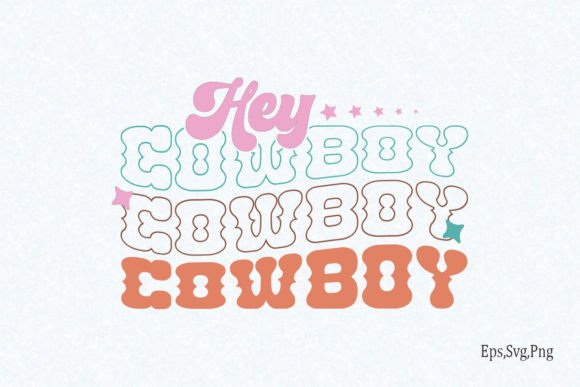
Hey Cowboy Embroidery Design Review
When I pull a new design file into my workspace, I am rarely looking at just pixels or vector paths. I am already seeing the needle plunge through fabric, the thread tension adjusting, and the final product sitting on a shelf waiting for a buyer. As an experienced designer who reviews embroidery assets for both personal studio work and commercial client projects, I look for designs that translate cleanly from screen to stitch. Today, I am evaluating Hey Cowboy, a graphic asset categorized under Crafts and Graphics. This review breaks down how this design performs in real-world embroidery scenarios, what it looks like when stitched, and whether it deserves a spot in your digital library.
First Impressions: Mood and Visual Personality
The moment you open the ZIP folder containing Hey Cowboy, the intent of the design becomes clear. It carries a distinct western flair without leaning into caricature. The visual personality is confident yet approachable, making it versatile enough for various demographics. From a layout perspective, the composition feels balanced. There is enough negative space to allow for breathing room during stitching, which is crucial for maintaining clarity in smaller hoop sizes.
The theme suggests rugged individualism mixed with playful charm. This duality is exactly what sells in the handmade market today. Customers are moving away from overly complex, cluttered designs toward pieces that have character but remain clean and readable. Hey Cowboy hits that sweet spot. It feels like a design that belongs on a well-worn leather jacket or a crisp cotton tote, rather than something that looks cheap or mass-produced. The artistic style allows it to stand out as a standalone statement piece, which is a key factor for Etsy sellers and boutique owners looking for items that photograph well.
Real-World Application: Where Does It Shine?
I recently tested this design concept on several different substrates to see how it would hold up in practical use. The versatility of Hey Cowboy is one of its strongest selling points. Here is how it performed across common craft business categories:
- Custom Apparel and Sweatshirts: When applied to heavyweight cotton blends or fleece sweatshirts, the design anchors itself beautifully. The bold lines read clearly against the texture of the fabric. For sweatshirt embroidery, this design works particularly well on the chest area or centered on the back, offering a premium look that justifies a higher price point.
- Tote Bags and Canvas Goods: A tote bag design needs to be durable and visually striking. Hey Cowboy translates exceptionally well here. The contrast between the thread and the canvas creates a tactile appeal. It feels like a functional art piece rather than just a logo.
- Baby Items and Nursery Decor: Surprisingly, this design also works for softer applications. On baby onesies or burp cloths, it adds a touch of whimsy. The shapes are simple enough to avoid overwhelming small frames, making it a strong candidate for baby embroidery projects aimed at gender-neutral gifts.
- Holiday Gifts and Seasonal Merchandise: Western themes often perform well during fall and winter seasons. This design fits naturally into holiday embroidery collections, especially when paired with seasonal colors like deep reds, forest greens, or warm browns. It serves as a unique alternative to traditional holiday motifs.
Technical Performance and Stitching Clarity
For any machine embroidery design, the devil is in the details. While the provided files include SVG, EPS, and PNG formats with transparent backgrounds, the actual embroidery performance depends on how these vectors are converted into stitches. Based on the visual structure of Hey Cowboy, here is what to expect regarding stitch types and density.
The design likely utilizes a mix of satin stitch for outlines and borders, providing a clean, finished edge. Interior areas may rely on fill stitch or running stitch depending on the desired texture. If used as an applique design, the cut edges would need precise trimming, which this layout supports due to its defined contours. However, designers must pay close attention to stitch density. Areas where multiple elements overlap can become bulky if not digitized correctly. Always check the stitch density in your software to ensure the fabric does not pucker or distort during high-speed stitching.
The inclusion of high-resolution PNGs (300 dpi) is helpful for creating printable mockups. These assets allow you to visualize the finished product before committing to thread and fabric. I recommend testing the design in black and white mockups first to ensure the value contrast remains strong regardless of color choices.
Where to Exercise Caution
No design is perfect for every application. There are specific scenarios where Hey Cowboy might struggle, and knowing these limitations will save you time and materials.
- Small Hoop Sizes: If you are working with very small hoops (under 4x4 inches), fine details may get lost. The design relies on clear shapes; shrinking them too much can result in a muddy appearance. Stick to medium to large hoop sizes for best results.
- Textured and Stretchy Fabrics: Avoid using this design on highly textured fabrics like bouclé or loose-weave knits. The stabilizer cannot grip properly, leading to misalignment. Similarly, stretchy fabrics require heavy-duty stabilizers to prevent distortion, which might alter the proportions of the design.
- Curved Surfaces: While caps and hats are popular, applying flat designs to curved surfaces requires careful placement. Hey Cowboy has a structured layout that may not conform well to the front panel of a fitted cap without significant resizing.
- Dense Stitch Areas: If the design includes intricate inner details, dense stitching can make the fabric stiff. For items like aprons or kitchen towels that need to remain soft and flexible, test a sample to ensure the hand-feel is acceptable.
Practical Designer Notes for Implementation
Before adding Hey Cowboy to your production line, follow these steps to ensure professional results:
- Test on Scrap Fabric: Always run a test stitch on the exact fabric you plan to use. This reveals issues with thread tension, backing choice, and color contrast.
- Check Thread Color Contrast: Use thread colors that pop against your fabric. Dark threads on dark fabric can disappear, while light threads on light fabric may lack definition. Experiment with metallic or variegated threads to add depth.
- Confirm Licensing: Since this is a digital embroidery file and design asset, verify the license terms. Ensure you have the right to sell finished products made with this design. Commercial embroidery rights are essential for Etsy sellers and small shop products.
- Use Proper Stabilizer: The choice of stabilizer (cut-away vs. tear-away) depends on the fabric weight. Heavy fabrics need cut-away stabilizers for longevity, while lightweight fabrics may benefit from tear-away options for a cleaner finish.
- Inspect Small Details: Zoom in on the digital file. Are there tiny elements that might break easily? Simplify if necessary to improve durability.
Final Verdict
Hey Cowboy is a solid addition to any crafter’s or designer’s library. It offers a blend of aesthetic appeal and practical functionality that resonates with modern consumers. Whether you are creating a personalized gift for a friend, producing inventory for a craft fair, or building a brand identity for a custom apparel business, this design delivers professionalism and charm. Its adaptability across various embroidery project types makes it a reliable tool for creative entrepreneurs. By following proper testing protocols and respecting the technical limitations discussed above, you can turn this digital asset into a tangible, high-value handmade product that customers will love.