Pucker Up Cowboy PNG Embroidery Review
As a designer who spends more time hooping fabric than sleeping, I approach every new digital asset with a healthy dose of skepticism. The market is flooded with generic clipart masquerading as professional embroidery files, and too often, what looks charming on a screen turns into a tangled mess under the needle. That is why I take the time to evaluate assets like Pucker Up Cowboy PNG before committing them to real-world projects. This review isn’t just about whether the file downloads; it is about whether this design survives the transition from a static image to a tactile, stitched product that customers will actually want to buy or wear.
First Impressions and Visual Personality
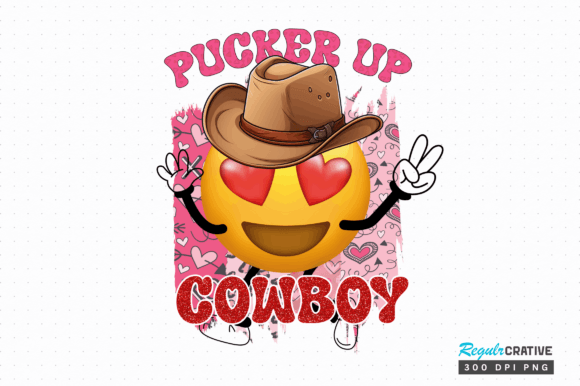
When you first load up Pucker Up Cowboy PNG, the immediate takeaway is its distinct character. It does not try to be subtle. The "pucker up" theme suggests a playful, perhaps slightly cheeky attitude, which immediately categorizes it away from traditional western wear and toward novelty gifts, humorous apparel, and lighthearted craft business items. For an embroidery designer, the visual personality is crucial because it dictates the target audience. This isn’t for the serious rodeo enthusiast looking for dignified silhouettes; it is for the customer who wants to laugh when they see their friend wearing a sweatshirt.
The layout feels balanced for standard hoop sizes, which is a relief. Too many novelty designs suffer from awkward spacing, where elements feel cramped or float aimlessly. Here, the composition allows the eye to rest on the central figure without feeling cluttered. The mood is fun and energetic, making it an excellent candidate for custom apparel that aims to spark conversation rather than blend in. It fits naturally into the realm of handmade product creation where personality outweighs perfection.
Real-World Application: From Screen to Stitch
Let’s talk about how this design performs when we move past the mockup phase. Imagine preparing a batch of sweatshirt embroidery for a holiday gift shop or a boutique brand. The bold nature of the cowboy theme translates well to thicker fabrics like fleece or heavy cotton blends. The visual weight of the design ensures it doesn’t get lost in the texture of the material. However, if you are planning to use this for baby embroidery on delicate onesies, you need to be cautious. While the concept is cute, the "pucker" expression might read differently on a tiny scale, potentially losing some of the intended humor.
I also tested the mental application for tote bag design scenarios. A canvas tote featuring this graphic would likely perform well at craft fairs or as promotional merchandise for small businesses with a quirky vibe. The high contrast usually associated with PNG-based graphics helps here, ensuring the design remains legible even if the stitching density varies slightly. For Etsy sellers and small shop products, this kind of recognizable, thematic design reduces the cognitive load for buyers. They instantly understand the joke, which increases conversion rates compared to abstract or overly complex patterns.
Technical Considerations for Embroidery Execution
Even though this is marketed as a PNG for download and print, any serious designer knows that printing a PNG and then trying to embroider it directly requires significant digitizing effort or traceability. If you are using this as a reference for tracing or as a base for a custom machine embroidery design, pay close attention to the line work. Simple lines are easier to convert into clean satin stitch borders, but intricate details within the cowboy’s features may require simplification to avoid thread breaks.
If you are incorporating this into an applique design workflow, the clear outlines provided by the PNG can serve as excellent guides for placement. You could cut out contrasting fabric shapes based on the PNG’s silhouette and then secure them with a blanket stitch. This technique adds dimension and hides any minor imperfections in the underlying fabric, which is a pro tip for maintaining a professional finish on commercial embroidery projects.
Where Caution is Required
No design is universally perfect, and Pucker Up Cowboy PNG has specific constraints you must respect to ensure quality. First, consider the hoop size. If you attempt to scale this down too small, you risk losing the facial expression entirely. Tiny lettering or fine details in the cowboy’s hat brim can become muddy blobs if the stitch density is too high for the available space. Always test the design on scrap fabric first to verify that the smallest elements remain distinct.
Fabric choice is another critical factor. Avoid using this design on highly textured fabrics like chunky knits or raw denim unless you are experienced with stabilizers. The uneven surface can cause puckering, ruining the crispness of the embroidery project. Similarly, stretchy fabrics like jersey require a strong tear-away or cut-away stabilizer to prevent distortion. Without proper support, the "pucker" in the design might literally pucker the fabric, leading to a warped final product.
Dark fabrics present their own challenges. If the PNG relies on negative space or light colors to define the shape, stitching it onto black or navy fabric might result in low contrast. Test your thread colors against your chosen background. A white or bright yellow thread might pop beautifully, whereas a pastel shade could disappear. Checking your design in black and white mockups before stitching is a simple step that saves hours of rework.
Impact on Brand and Customer Trust
In the world of craft business and Etsy seller operations, presentation is everything. A well-executed finished product signals professionalism and care. When a customer receives a personalized gift or a custom apparel item that looks polished, it builds trust in your brand. Conversely, sloppy stitching or ill-fitting designs can damage your reputation irreparably.
Using Pucker Up Cowboy PNG in your portfolio can enhance your brand consistency if your niche aligns with fun, rustic, or novelty themes. It shows you understand current trends and can deliver engaging content. However, remember to confirm licensing terms before selling finished items. Just because you downloaded the file does not automatically grant commercial rights for mass production. Ensure you have the necessary permissions to sell the embroidered patch or kitchen towel bearing this design, protecting yourself from legal issues down the line.
Practical Designer Notes for Success
- Test Before You Commit: Never run a full production batch without stitching a single sample on the exact fabric and stabilizer you plan to use.
- Check Stitch Density: High-density areas can stiffen fabric excessively. Adjust settings if the design feels too rigid after stitching.
- Verify Color Contrast: Use tools to simulate how your chosen thread colors will look against your fabric. Light threads on dark fabric, and vice versa, usually offer the best readability.
- Inspect Small Details: Zoom in on the digital file. Are there tiny spikes or dots that might turn into thread nests? Simplify if necessary.
- Confirm Licensing: Read the fine print. Does the license allow for physical goods sales? Does it restrict the number of units?
- Use Proper Stabilizer: Match the stabilizer to the fabric weight. Heavy fabrics need heavy support; light fabrics need minimal intrusion.
Ultimately, Pucker Up Cowboy PNG offers a versatile foundation for creative entrepreneurs looking to add a touch of humor and western flair to their offerings. By approaching it with technical diligence and aesthetic judgment, you can transform a simple digital graphic into a standout piece of design assets that resonates with buyers. Whether you are creating holiday embroidery collections or expanding your digital product previews, this design has the potential to elevate your craft business—provided you respect the mechanics of the medium.