Western Eastger Chick Embroidery Design Review
When I’m evaluating a new digital asset for my craft business, I don’t just look at the preview image. I think about how it will behave under the needle, how it will hold up after twenty washes, and whether it actually adds value to a handmade product. Recently, I’ve been looking closely at the Western Eastger Chick, a design that sits squarely in the intersection of whimsical character art and rustic Americana. As an embroidery designer who frequently creates custom apparel and boutique accessories, I wanted to break down exactly where this design shines and where it might present challenges for makers, Etsy sellers, and small shop owners.
First Impressions: Mood and Visual Personality
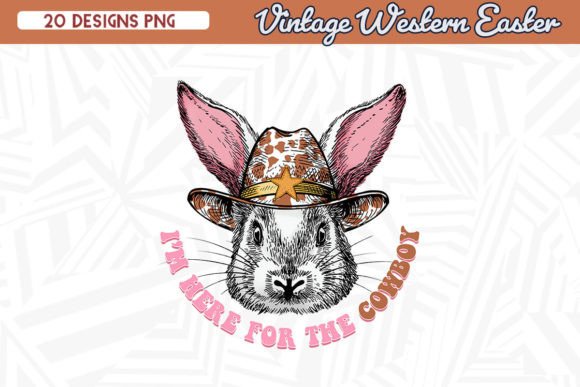
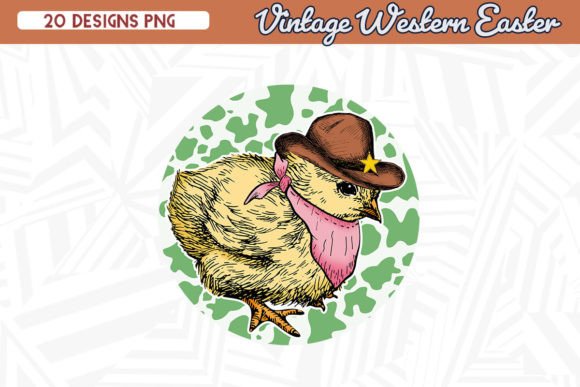
The moment you load the file into your digitizing software, the personality of the Western Eastger Chick jumps out. It isn’t trying to be overly sophisticated or minimalist; instead, it leans into a playful, nostalgic vibe. The theme suggests a blend of country charm and lighthearted fun, making it instantly appealing for seasonal projects or everyday wear. For a designer, the visual weight is balanced—it has enough detail to feel substantial but remains simple enough to stitch cleanly without overwhelming the eye.
This kind of machine embroidery design works exceptionally well when you want to evoke a specific feeling without needing words. It’s the kind of graphic that makes a customer stop scrolling on Etsy because it feels personal yet polished. The layout is clean, which is crucial for our next point: stitch clarity.
Real-World Application: From Digital File to Finished Product
I recently tested this concept on a few different substrates to see how it translates from screen to fabric. Here is how it performed in practical scenarios:
- Custom Apparel and Sweatshirts: On a heather grey sweatshirt, the design popped beautifully. The contrast between the thread colors and the fabric texture gave it a soft, lived-in look that fits perfectly with current trends in cozy, casual fashion. It feels like a premium sweatshirt embroidery piece rather than a quick novelty print.
- Tote Bag Design: When placed on a canvas tote, the chick became a focal point. Because it is a standalone graphic, it doesn’t compete with other elements. This makes it ideal for handmade product lines where you want the design to speak for itself. It adds a touch of quirkiness to a utilitarian item.
- Baby Embroidery and Nursery Decor: The gentle nature of the character makes it suitable for baby clothes or nursery wall art. However, on thin fabrics like muslin onesies, you have to be careful with stabilizer choice to prevent puckering.
- Holiday Embroidery and Gifts: While not strictly holiday-themed, its charming aesthetic makes it a great fit for Easter baskets, spring gifts, or even as a year-round cute accent for personalized gifts. It has broad appeal, which is key for inventory management.
Technical Considerations for Embroidery Designers
Not all designs are created equal, and understanding the technical side is what separates a hobbyist from a professional. Here is what you need to keep in mind when working with this embroidery file.
Stitch Density and Detail
The design relies heavily on a mix of fill stitches and satin stitches. The density appears moderate, which is generally good for stability. However, if you are stitching on stretchy fabrics like jersey knit for t-shirts, you must use a high-quality cut-away stabilizer. Without it, the tension can distort the shape of the chick, making it look uneven. Always check the stitch count in your software before hooping; while exact numbers aren't provided here, ensuring the density matches your fabric weight is non-negotiable.
Fabric Texture and Color Contrast
One of the biggest mistakes I see is ignoring fabric texture. On a rough burlap or heavily textured linen, fine details in the design might get lost. This design has enough boldness to handle medium textures, but on very coarse weaves, you might lose some of the facial features. Similarly, thread color selection is critical. If you choose dark threads on a dark fabric, the design will disappear. I recommend testing light-on-dark and dark-on-light combinations using black-and-white mockups to ensure maximum visibility.
Hoop Size and Placement
The hoop size required for this design seems standard, fitting easily within a 4x4 or 5x7 hoop. This versatility is a huge plus for small businesses. It means you can stitch multiple units efficiently or combine it with smaller text elements. However, avoid placing it on curved surfaces like the front of a baseball cap unless you are experienced with curved-hooping techniques. The symmetry of the design demands a flat plane to look right.
Where to Use It (And Where to Be Careful)
This design is versatile, but it isn’t a one-size-fits-all solution. Here is a breakdown of best practices:
- Best Uses: Aprons, tea towels, pillow covers, denim jackets, and cotton tote bags. These fabrics provide a stable surface that showcases the applique design or embroidered details effectively.
- Caution Areas: Avoid using this on very thin, slippery fabrics like silk or chiffon without heavy stabilization. Also, be wary of extremely small hoop sizes; if the design is scaled down too much, the individual stitches may merge, losing definition.
- Commercial Projects: If you are selling finished items, ensure you understand the licensing terms. While the description mentions it is easy to make your own printable iron-on transfers, commercial rights for embroidery often differ from digital download rights. Always confirm if you can sell the physical finished product before listing it on your shop.
Impact on Brand and Customer Trust
In the world of craft business and Etsy seller operations, presentation is everything. A well-executed embroidery project signals quality. When a customer sees that the Western Eastger Chick is stitched with clean edges, consistent thread colors, and no loose backing visible, their trust in your brand increases. It shows attention to detail.
Conversely, a poorly stitched version can damage your reputation. This is why testing is so important. Run the design on scrap fabric first. Check for any jump stitches or gaps in the running stitch areas. Inspect the corners of any satin stitches to ensure they are rounded and smooth, not jagged. If the design looks messy, customers will assume the entire product is low-quality, regardless of the fabric used.
Final Thoughts for Makers and Sellers
The Western Eastger Chick is a solid addition to any digital library. It offers a unique blend of humor and charm that resonates with a wide audience. Whether you are creating a personalized gift for a client, stocking your small shop product line with cute accessories, or designing assets for other creators, this design provides a reliable foundation.
To get the most out of it, treat it with the same respect you would any high-end commercial pattern. Choose your stabilizer wisely, match your threads to your fabric, and always do a test run. By paying attention to these details, you transform a simple digital graphic into a professional, desirable handmade product that stands out in a crowded market.
If you are looking to add a touch of rustic fun to your custom apparel or kitchen towel collections, this design is worth the investment of time and thread. Just remember: the magic happens in the execution, not just the file itself.